Welcome to a journey into the far west of Southern England – Devon and, above all, Cornwall!
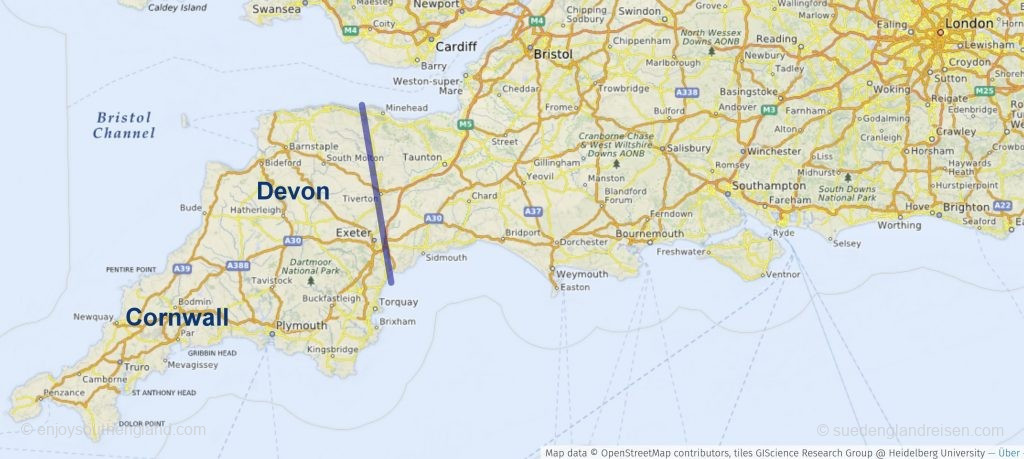
At the beginning, of course, we had no idea that we were in for so many days of glorious summer weather. Our first day, driving from London Heathrow Airport in our hire car, started with truly dreadful weather and plenty of rain.
After around three and a half hours on the road, we arrived in Dartmoor, a very special national park in the far west. The landscape is actually beautiful, but it was completely shrouded in mist – no problem, though: England’s universal remedy works here too. First, have a cup of tea and enjoy a scone. Afterwards, the world looked very different, quite literally. The clouds began to clear and we were treated to some wonderful views of this unique landscape. For dinner, we chose the wonderfully rustic Warren House Inn – an incredibly cosy pub in the middle of absolutely nowhere. Just moorland all around and lots of cars outside – including a surprising number of German ones. Almost a tourist hotspot, but remarkably unspoilt nonetheless!
It is a beautiful area, with ponies and sheep roaming freely:
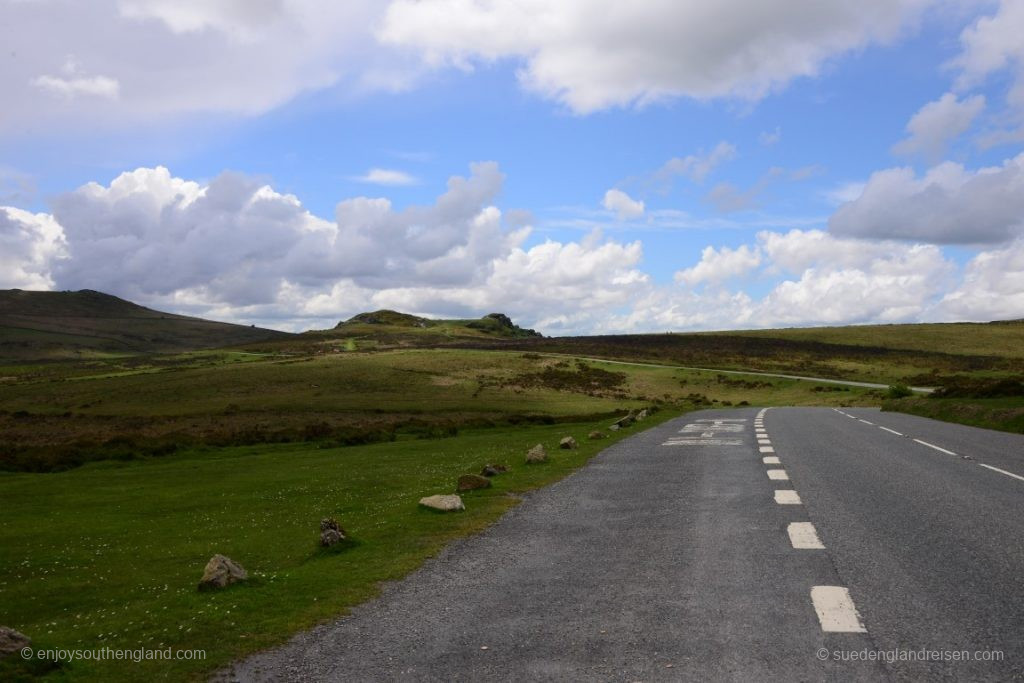
Out and about in Dartmoor
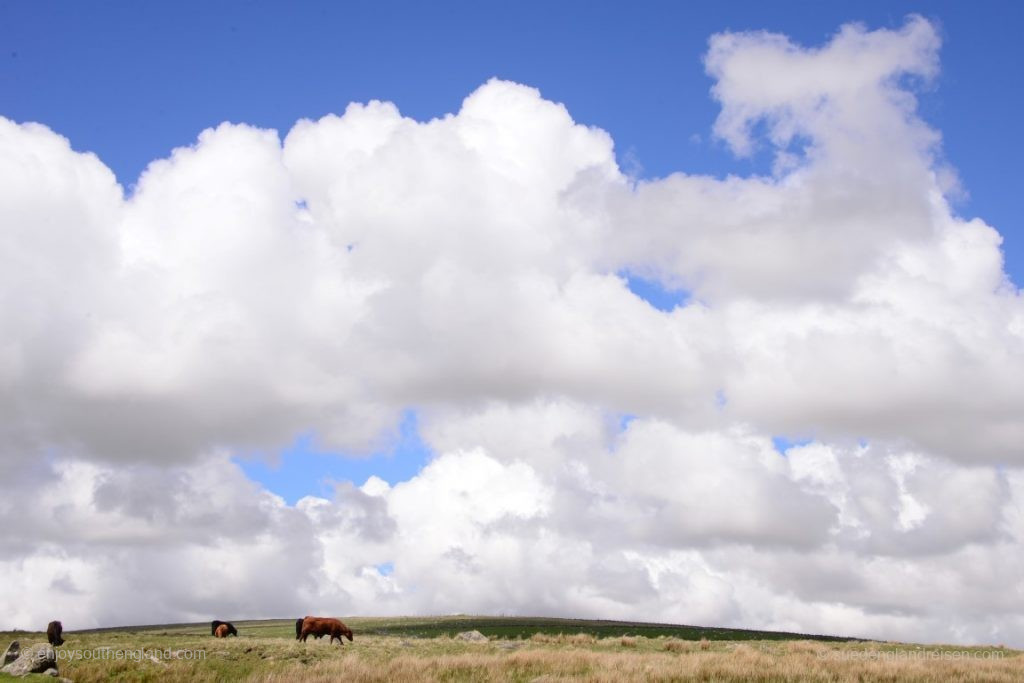
Atmosphere in Dartmoor
Of course, we also climbed Haytor, perhaps the most famous hill in Dartmoor, and visited the small village of Widecombe-in-the-Moor with its disproportionately large church for a community of fewer than 200 households. It is also known as the “Cathedral in the Moor”.
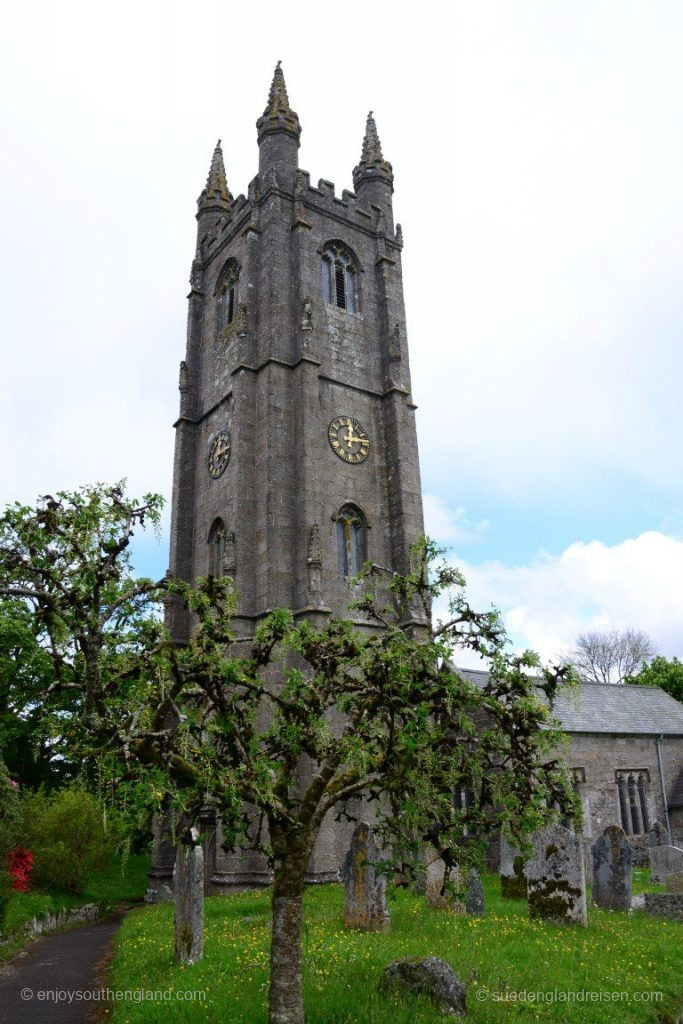
Cathedral in the Moor in Widecombe-in-the-Moor
As we already knew Dartmoor from previous trips, we continued to England’s westernmost moorland, Bodmin Moor. It is not a national park, but it has some beautiful spots of its own – and the “Golitha Falls” are well worth the journey. You may look in vain for spectacular waterfalls themselves, but the wonderfully wild walk along the river is well worth a visit:
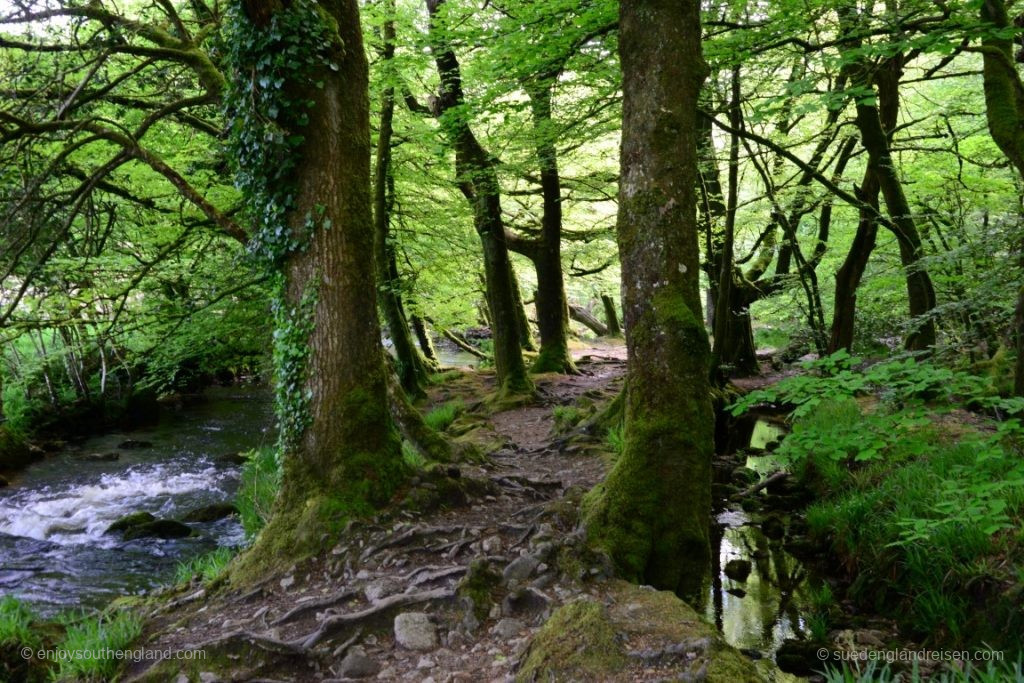
at Golitha Falls in Bodmin Moor
Our journey then took us towards Truro, the capital of Cornwall. But, of course, we stayed in the countryside. Here is the approach to our accommodation:
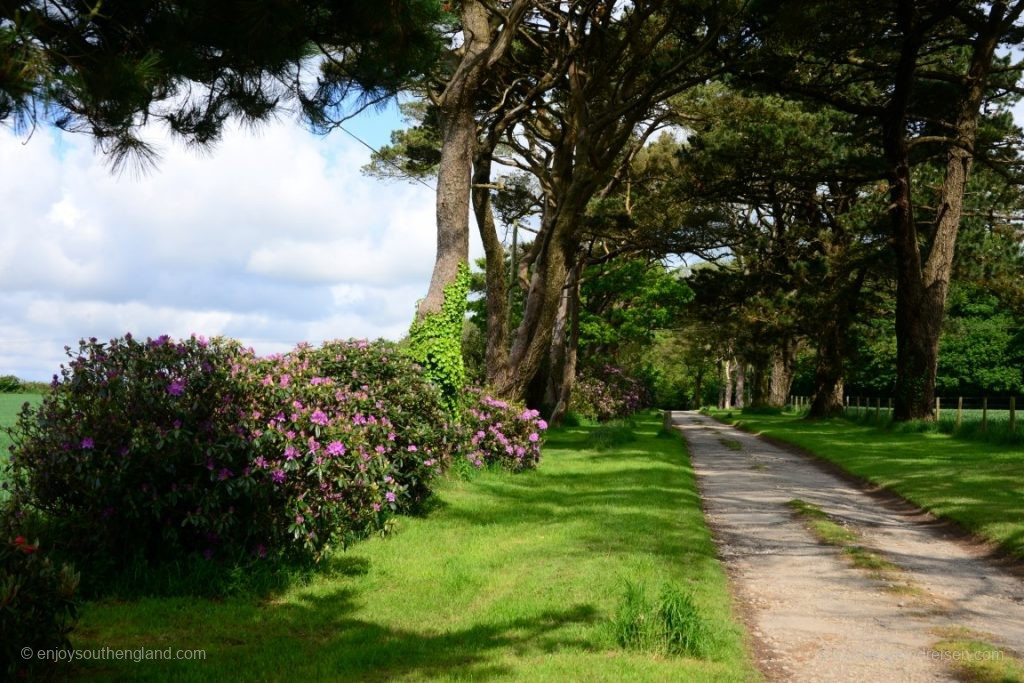
Approach to the farm where we stayed for the night
Nearby are Trewithen Gardens, which we naturally visited as well.
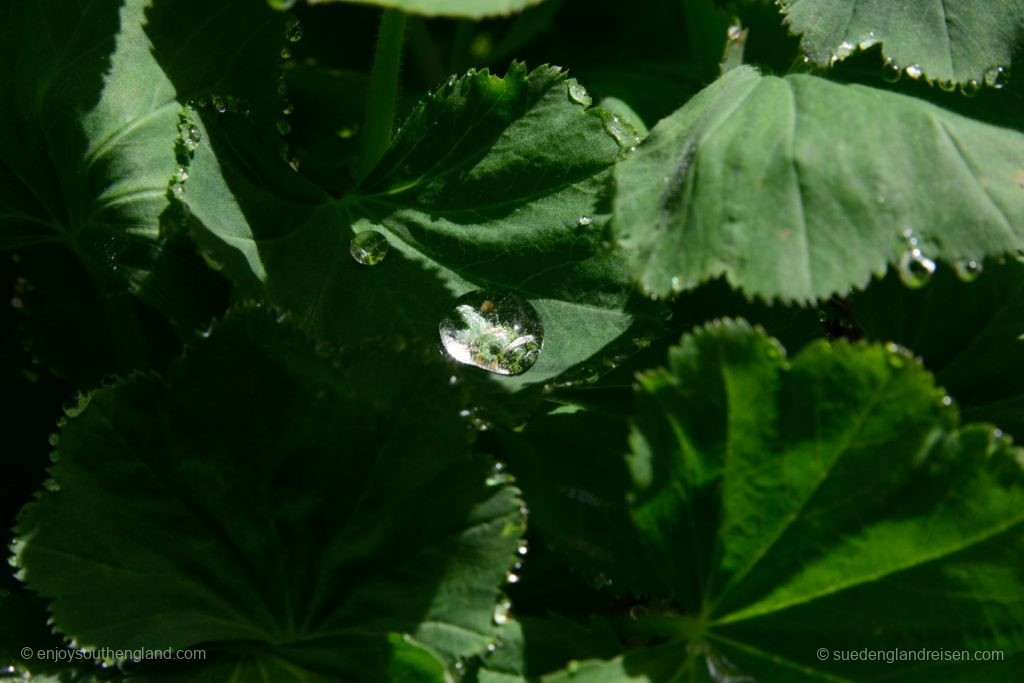
A drop of water on a plant – as always, nothing has been digitally enhanced!
And then, of course, we were drawn to the coast, here on the English Channel. There are some wonderful coastal towns and villages, but because of time constraints we could only visit Fowey (pronounced “Foy”) and the much smaller Polperro:
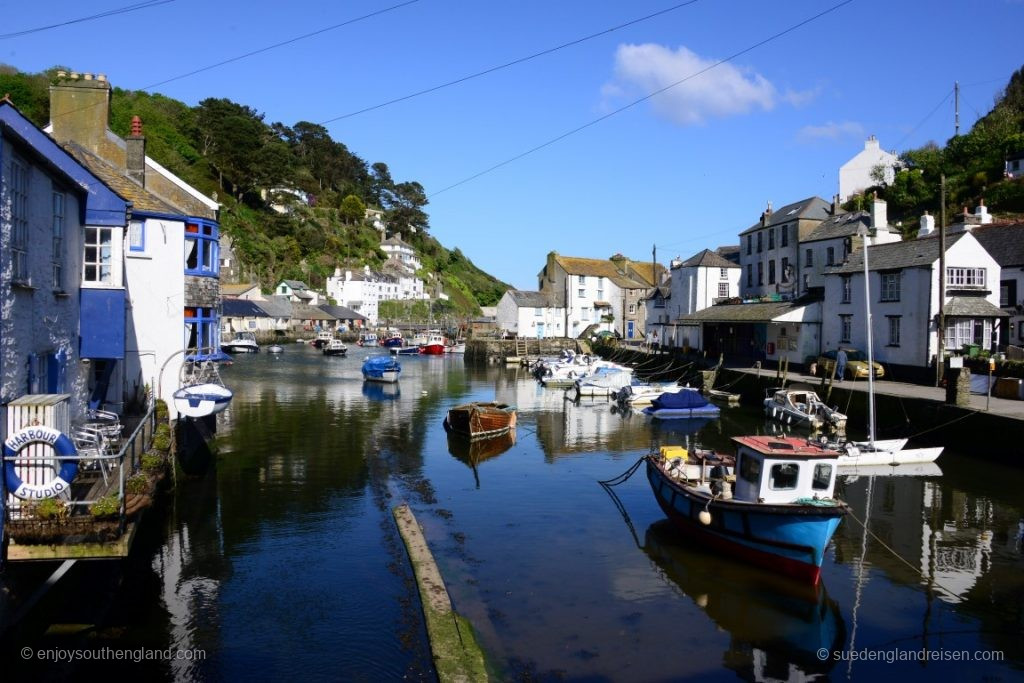
Evening in Polperro
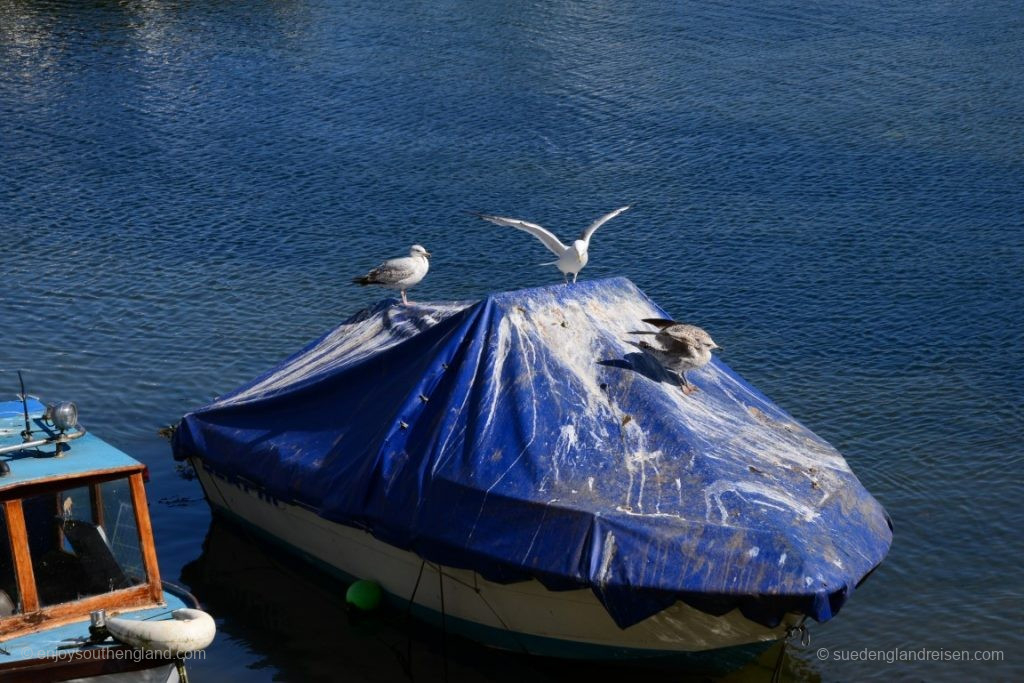
Seagulls are a delight – although sometimes they can be a nuisance
The countryside inland also has some wonderfully peaceful places to offer:
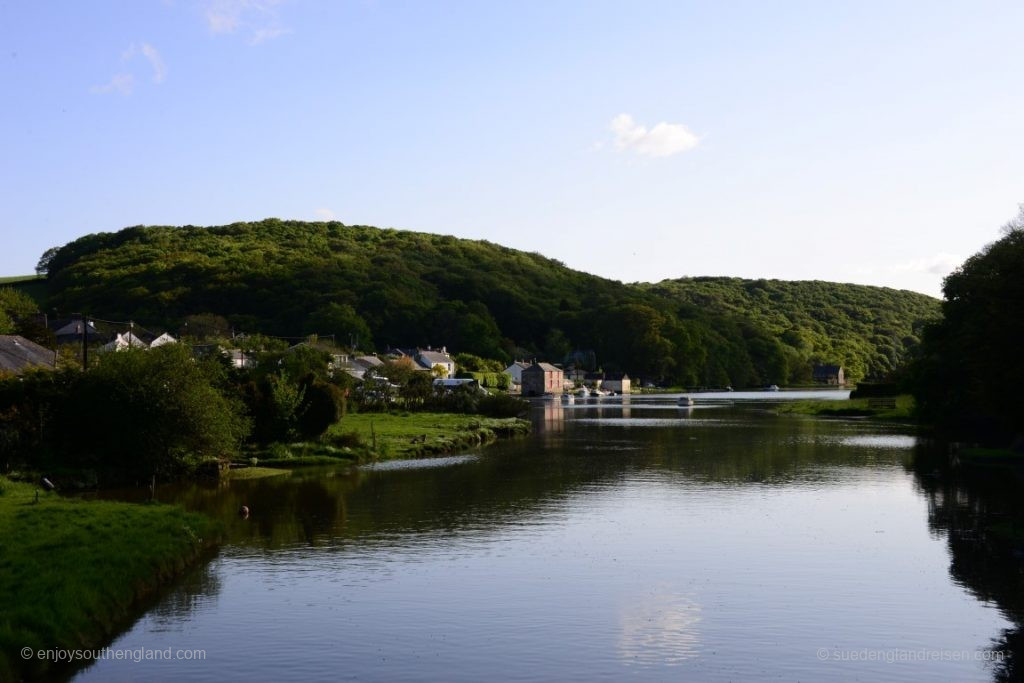
Beautiful: the peaceful estuary of the River Lerryn
It is a little livelier at one of Cornwall’s major visitor attractions, the Lost Gardens of Heligan, one of the county’s most impressive and varied gardens. Sadly, most of the magnificent rhododendrons had already finished flowering, but there are plenty of other highlights – such as the “Jungle” with its rope bridge:
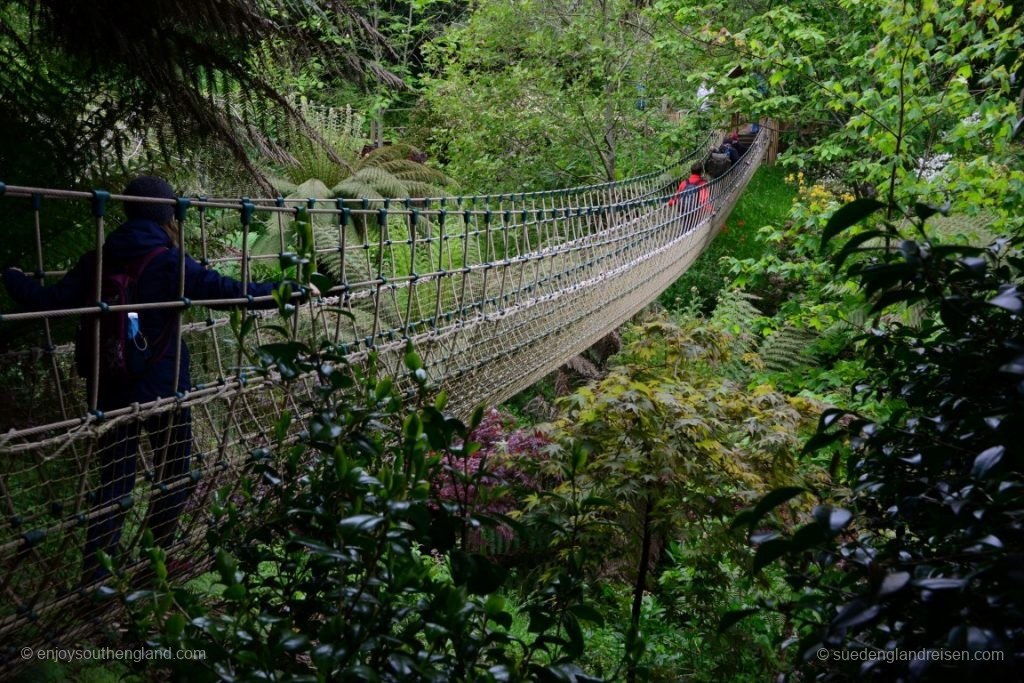
Rope bridge in the Lost Gardens of Heligan
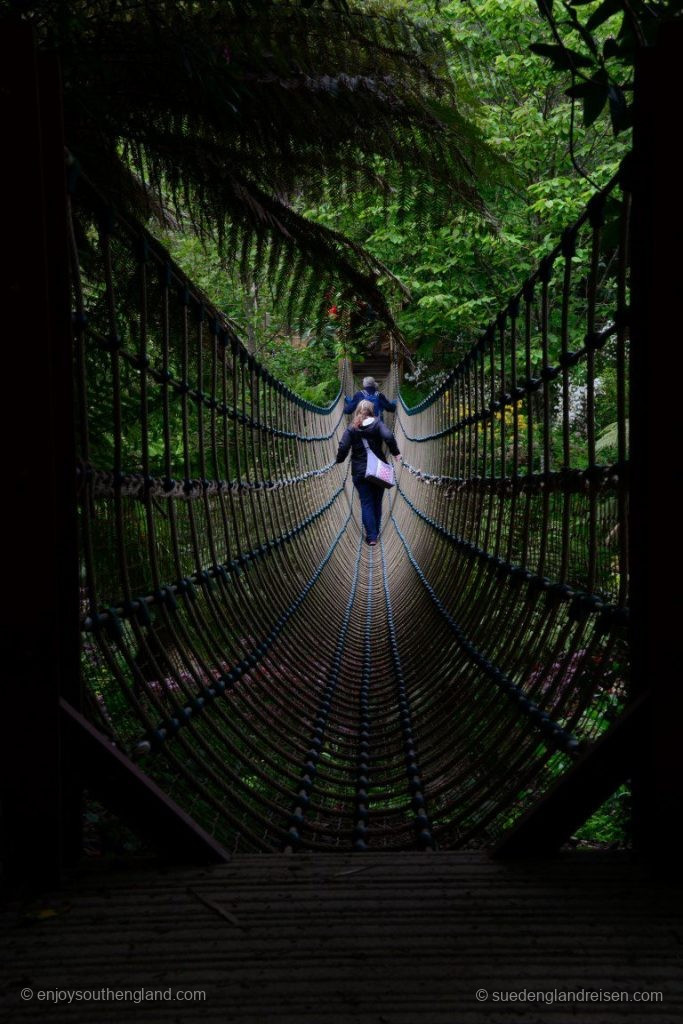
Crossing the rope bridge in the Lost Gardens of Heligan
The garden is also famous for the Giant’s Head and the Mud Maid:
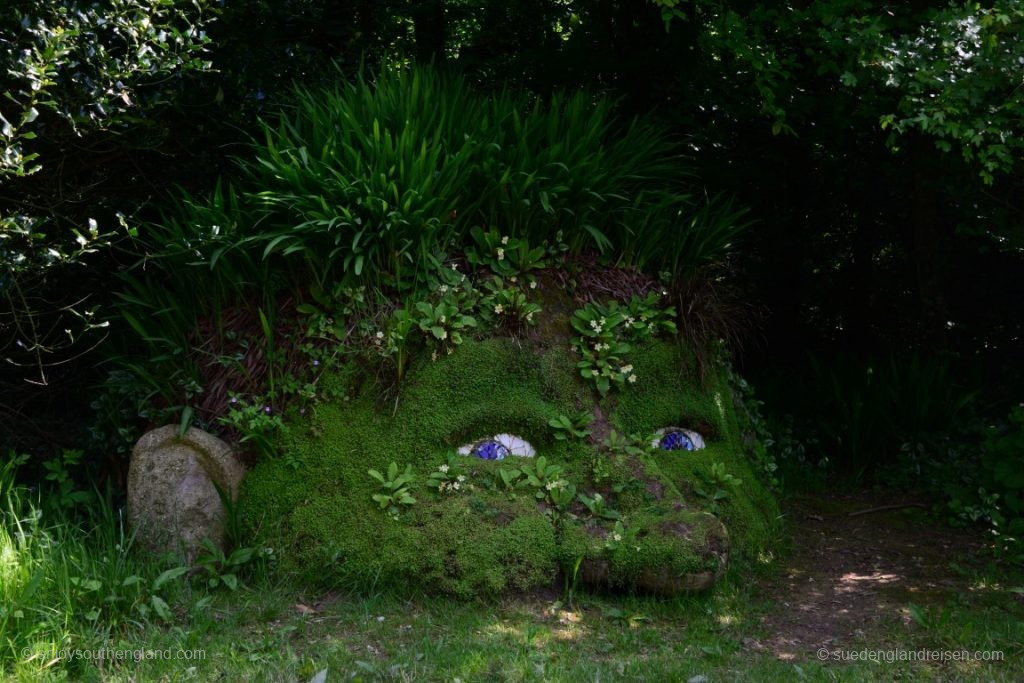
Giant’s Head in the Lost Gardens of Heligan
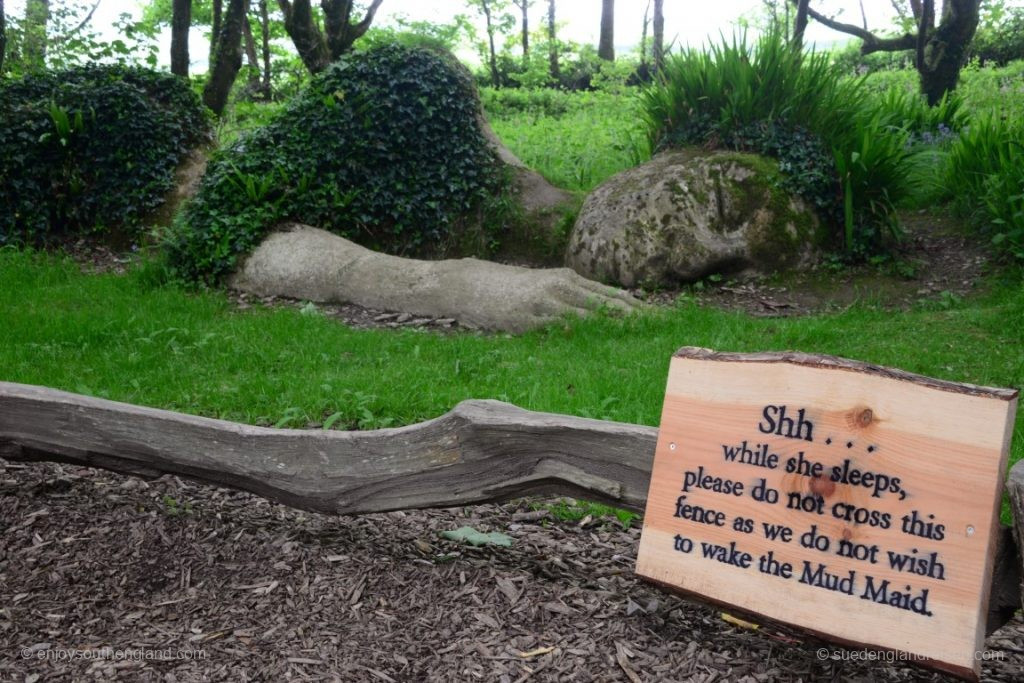
The Mud Maid in the Lost Gardens of Heligan – and please: shhh!
But then the coast of the Roseland Peninsula beckons again:
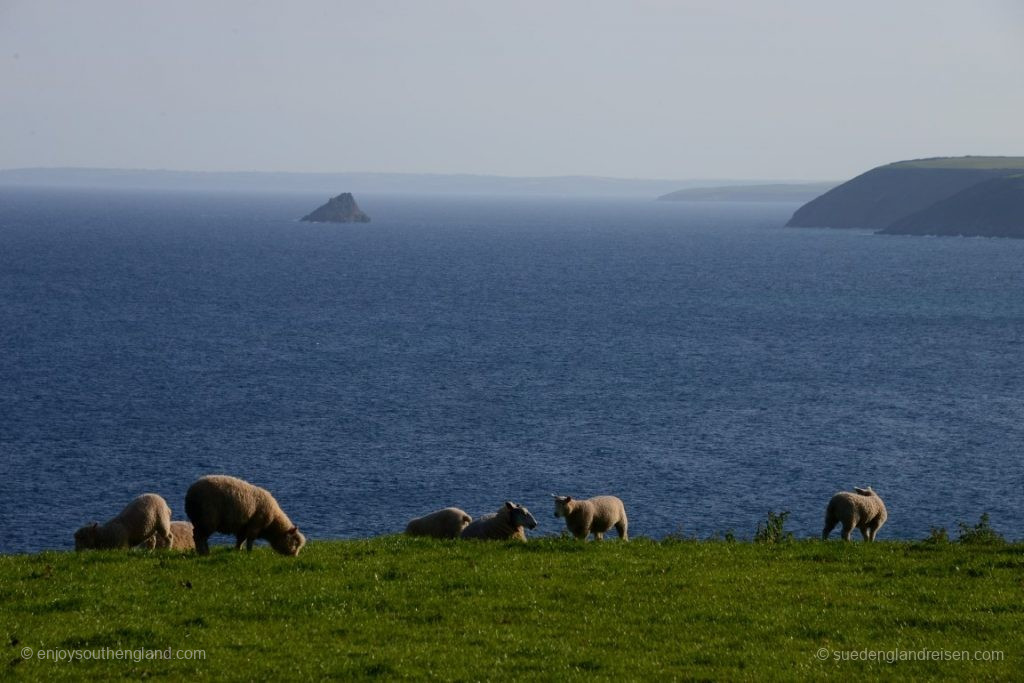
Out and about on the Roseland Peninsula
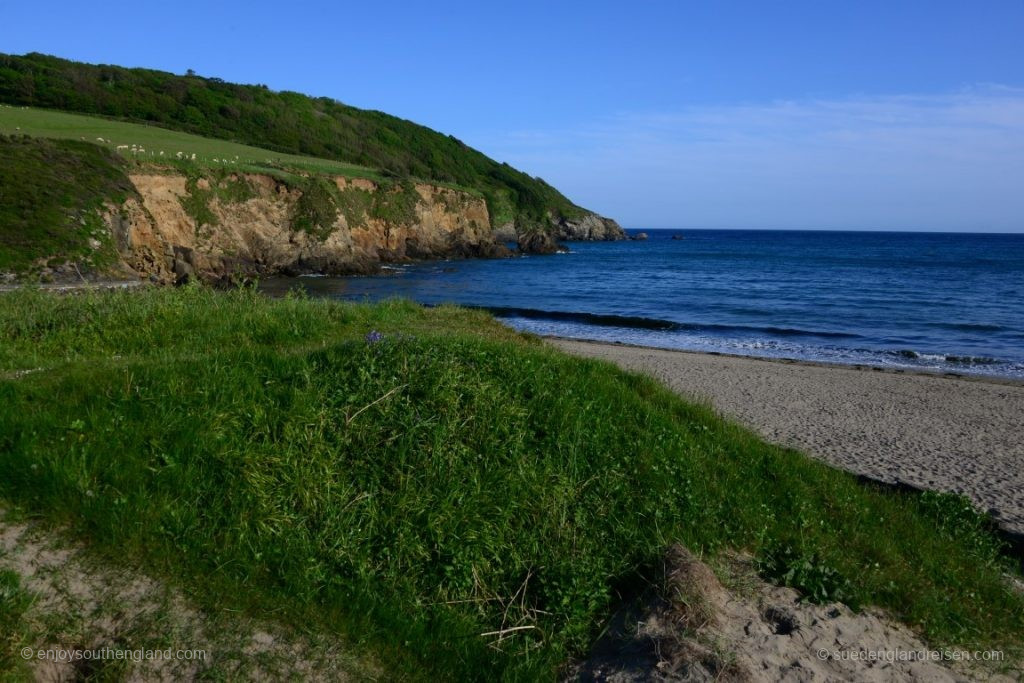
The coast of the Roseland Peninsula
We continued south towards Helston and our next accommodation. On the way, we passed the “garden sisters”: Glendurgan and Trebah. Two gardens almost next to each other on the banks of the Helford River, and remarkably similar: a side valley leading down to the river creates a microclimate that allows partly subtropical vegetation to thrive:
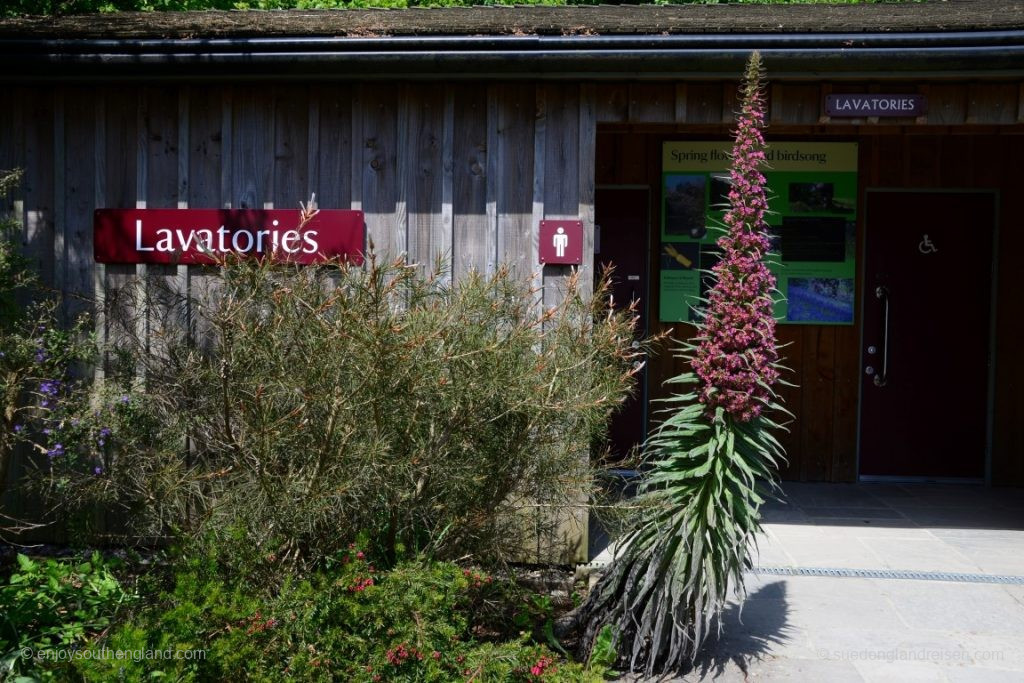
Elsewhere, this plant would probably be a sensation – here it simply grows right outside the toilet
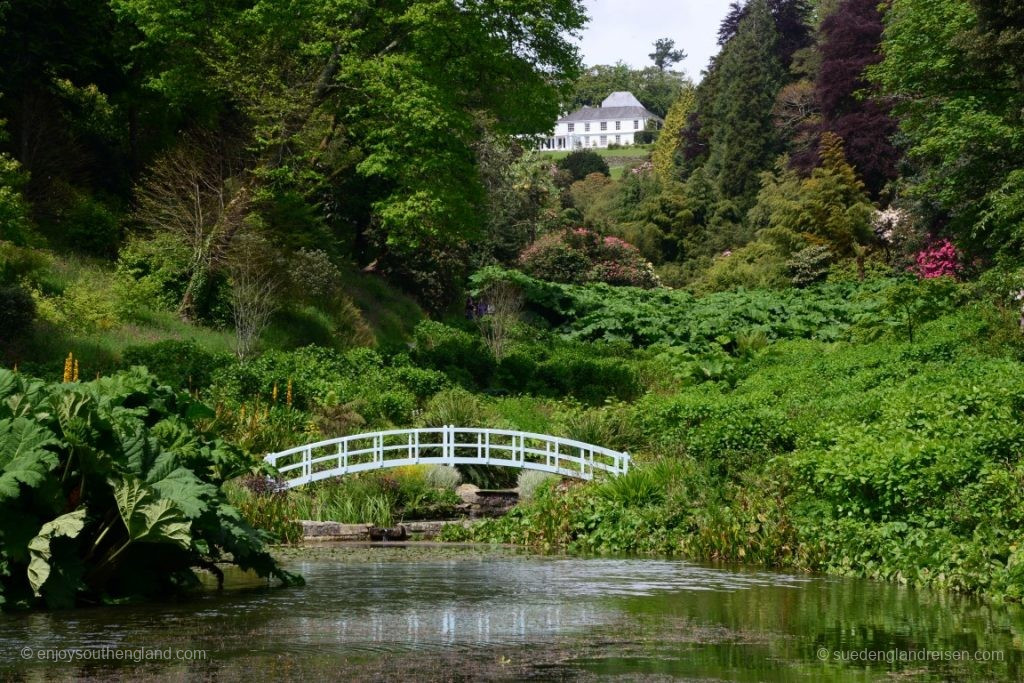
Typical valley in the two gardens (here: Trebah)
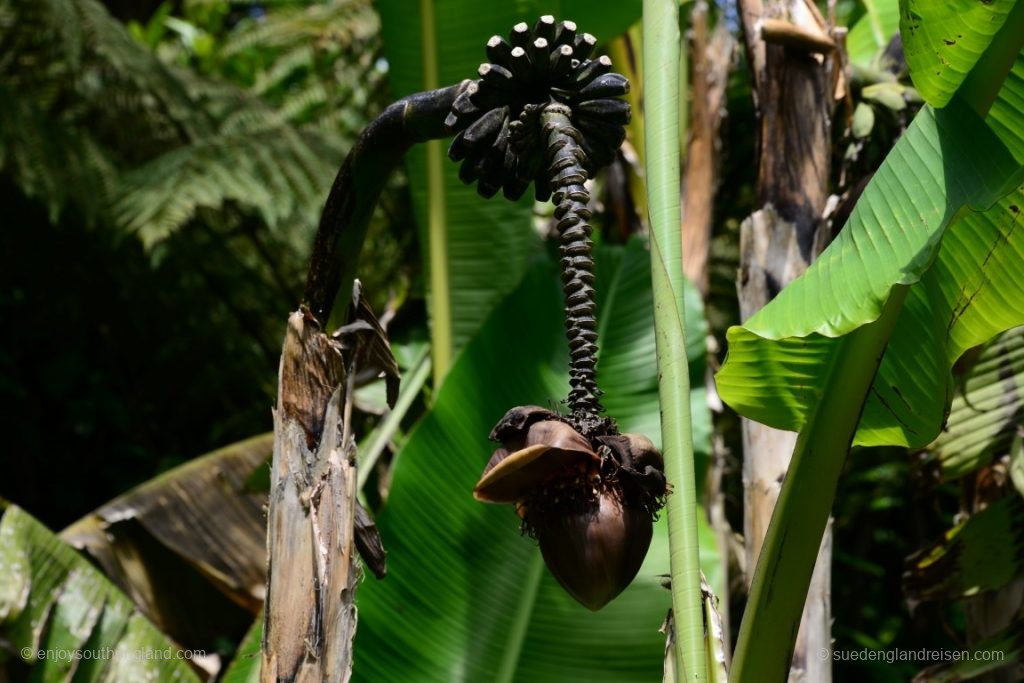
Plants do not always have to look beautiful to be interesting…
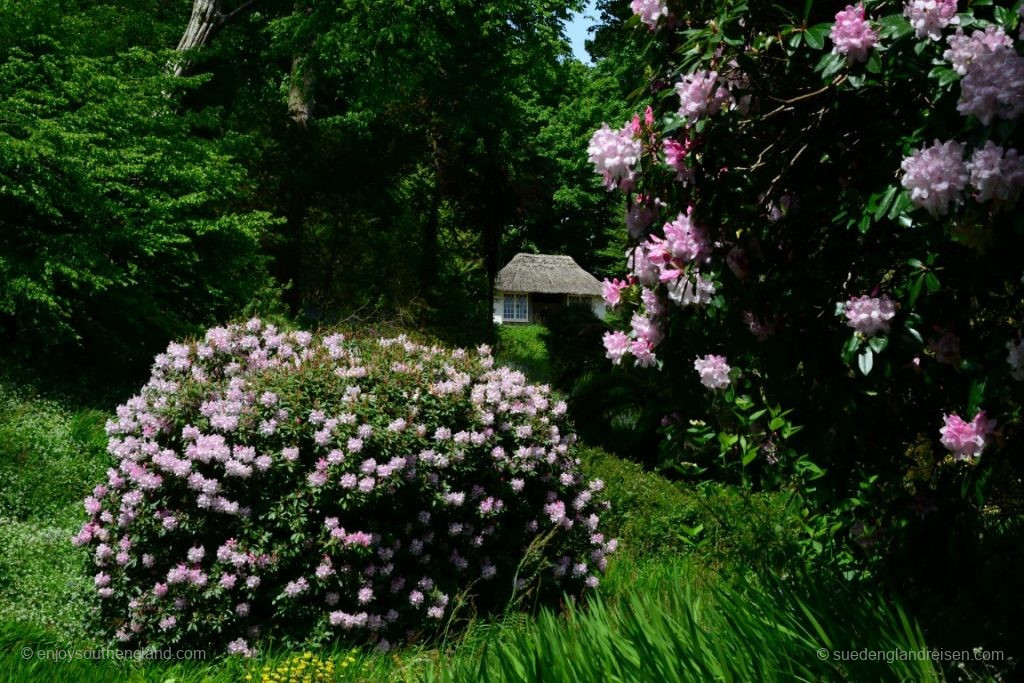
…but full bloom is, of course, much prettier
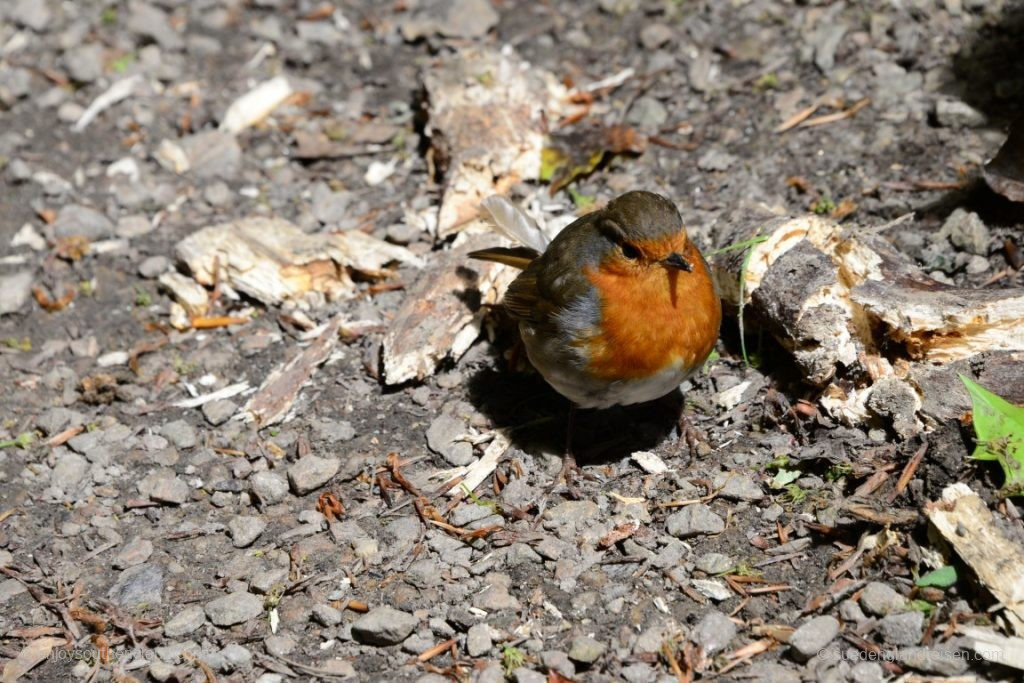
Not to forget the very friendly birds
But nothing compares with the evenings in the warm light by the sea:
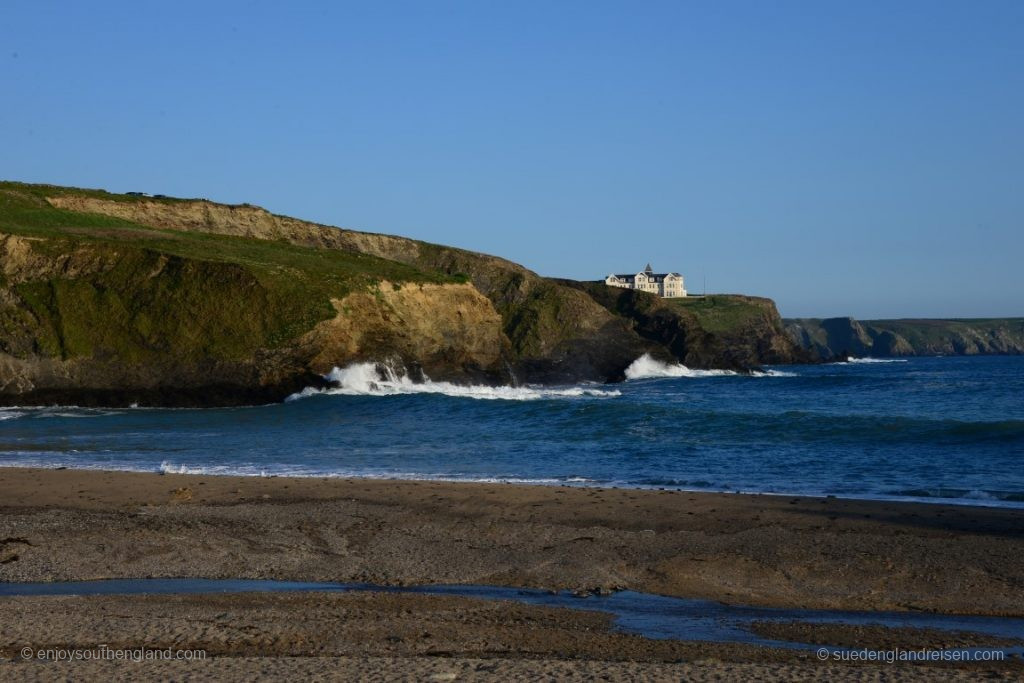
At Dollar Cove with the Mullion Cove Hotel in the background
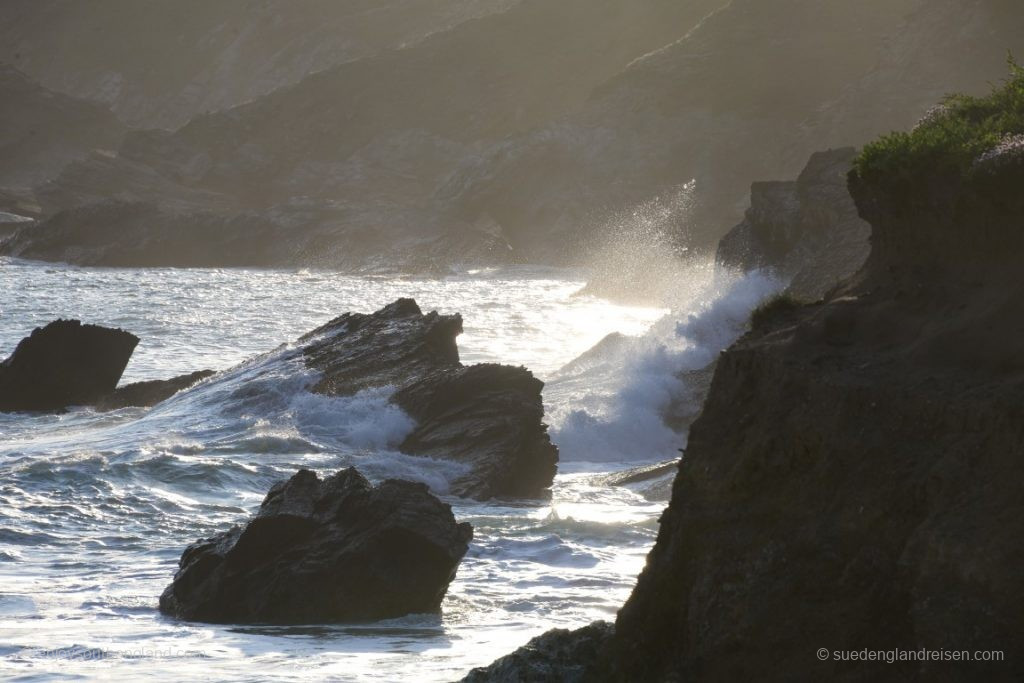
Waves in the evening
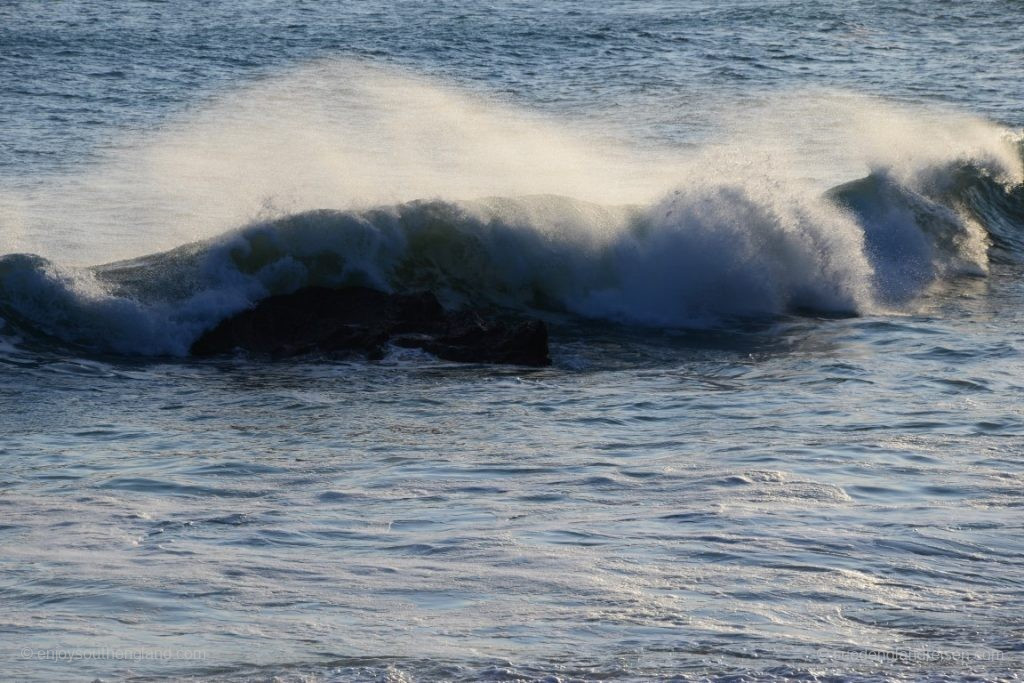
No words needed
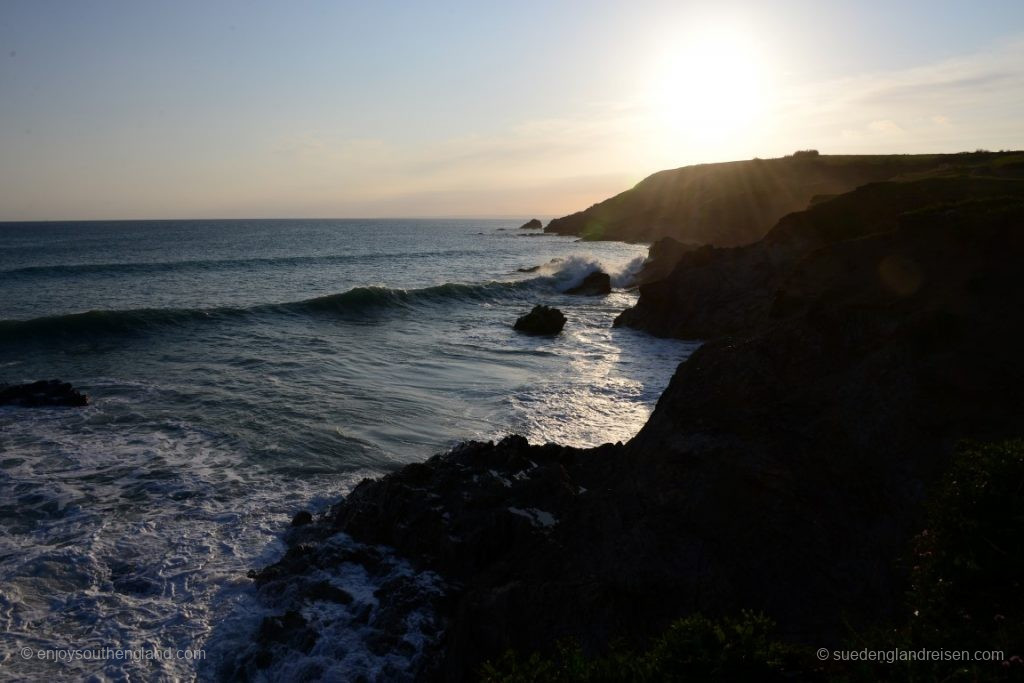
Just sit back and enjoy the view!
If you read this report, you might think our holiday consisted entirely of gardens and the coast. Well, in Cornwall, it rather did! With this wonderful weather, we start our mornings much as we ended our evenings:
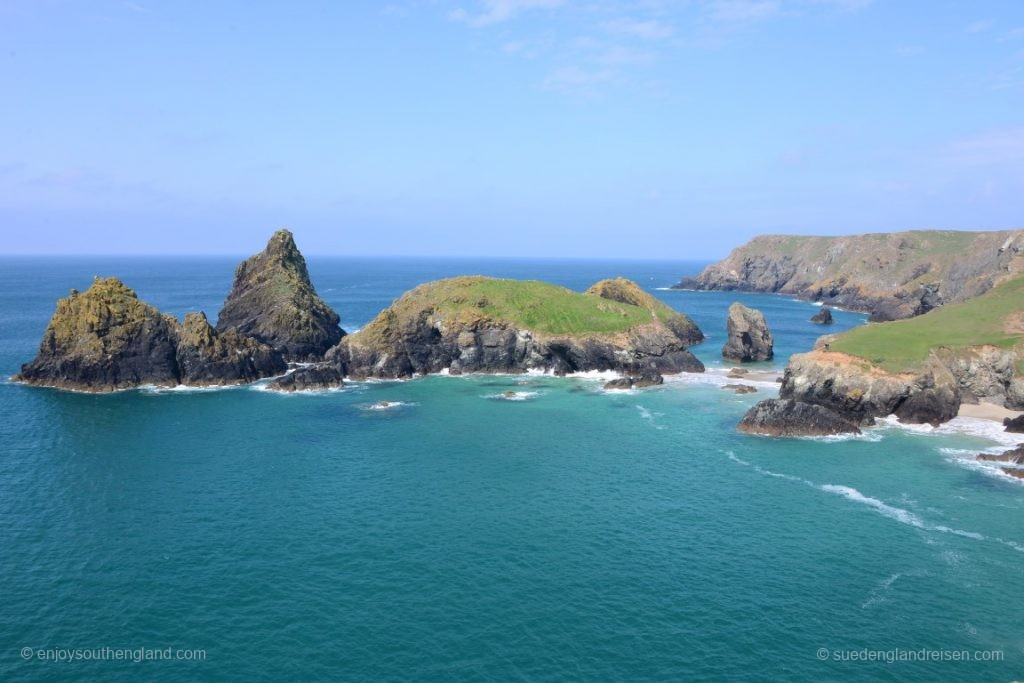
Morning at Kynance Cove
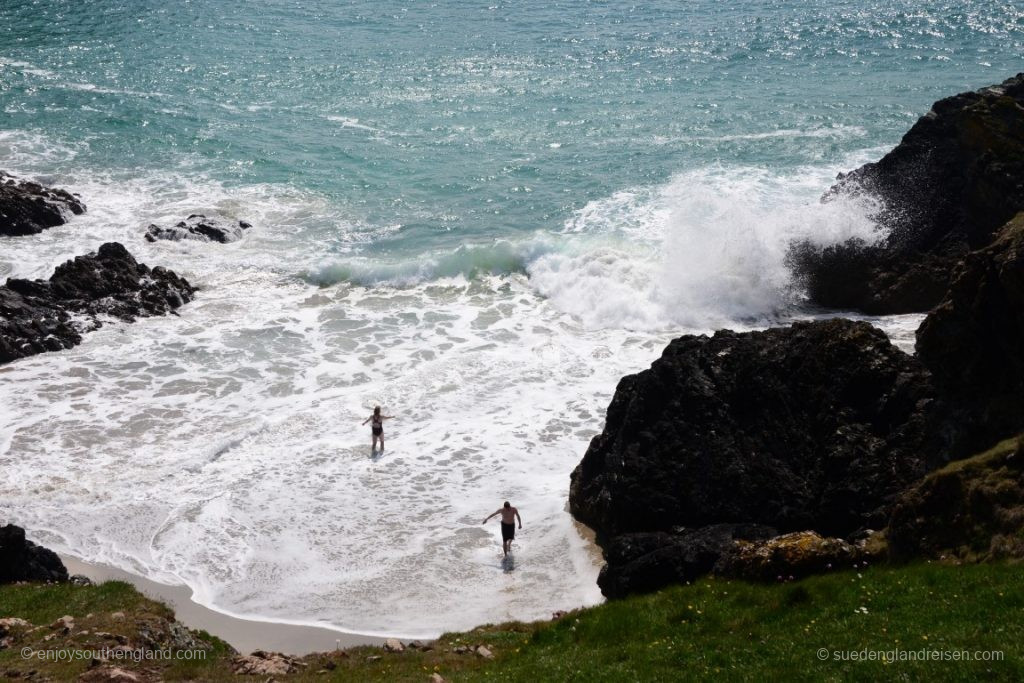
And honestly: you have to admire the English for swimming in 14°C temperatures!
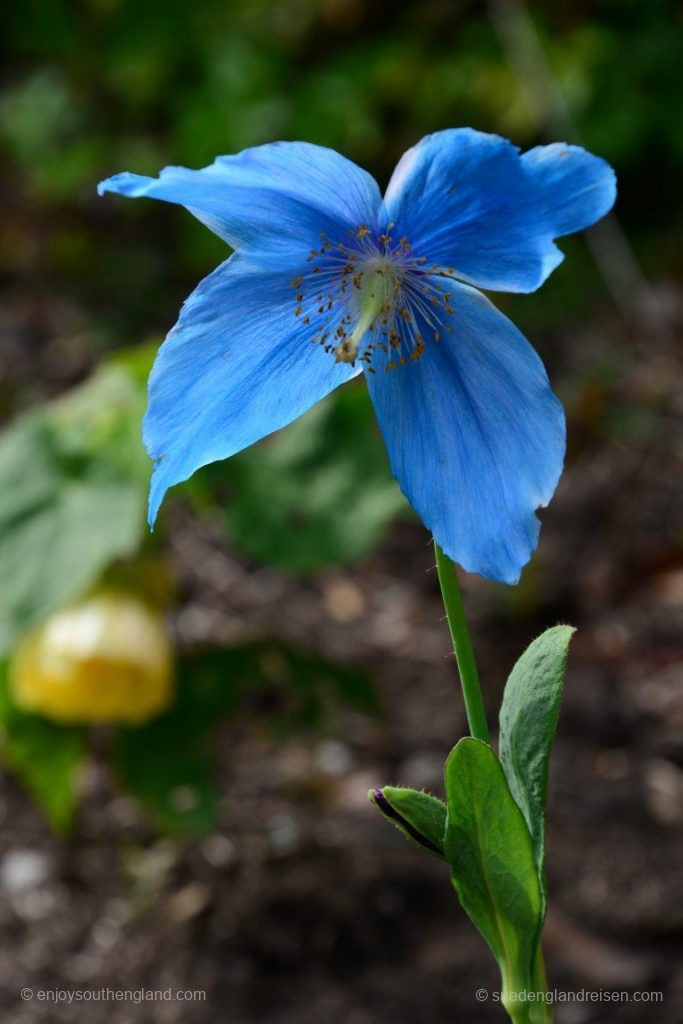
in Trengwainton Garden – where we would probably need spray paint to achieve this!
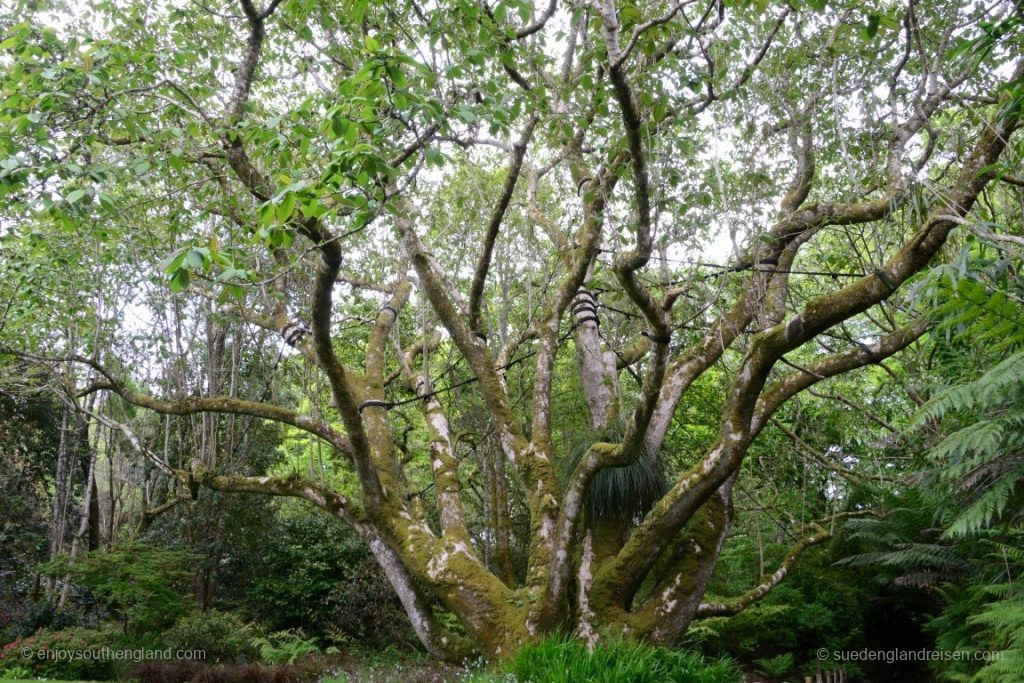
By the way, this is not a real tree, but a magnolia! A “Magnolia campbellii” from the Himalayas
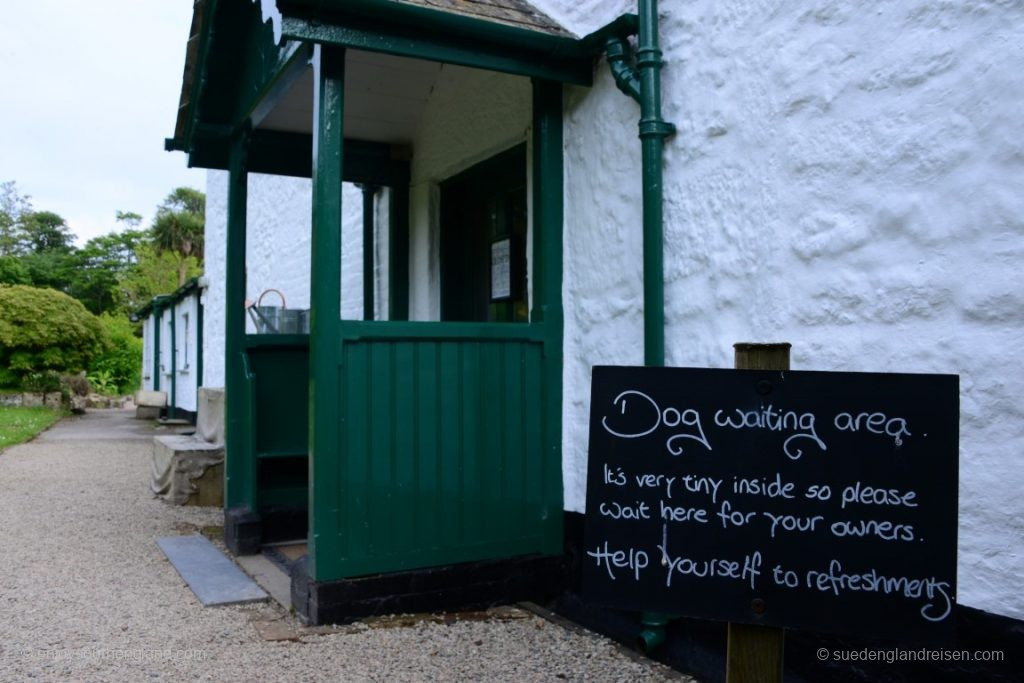
Have we mentioned the wonderful British sense of humour? Notice the friendly “Serve Yourself” invitation for accompanying dogs (there is, of course, a freshly filled water bowl underneath)
And while we are on the subject of British humour: these days, apparently everything has to be gluten-free – sometimes you wonder whether there are any people left without an intolerance. But if gluten-free sells, you use it as a business owner. Even if you are a hairdresser:

This hairdresser offers not only ordinary haircuts – but gluten-free ones too!
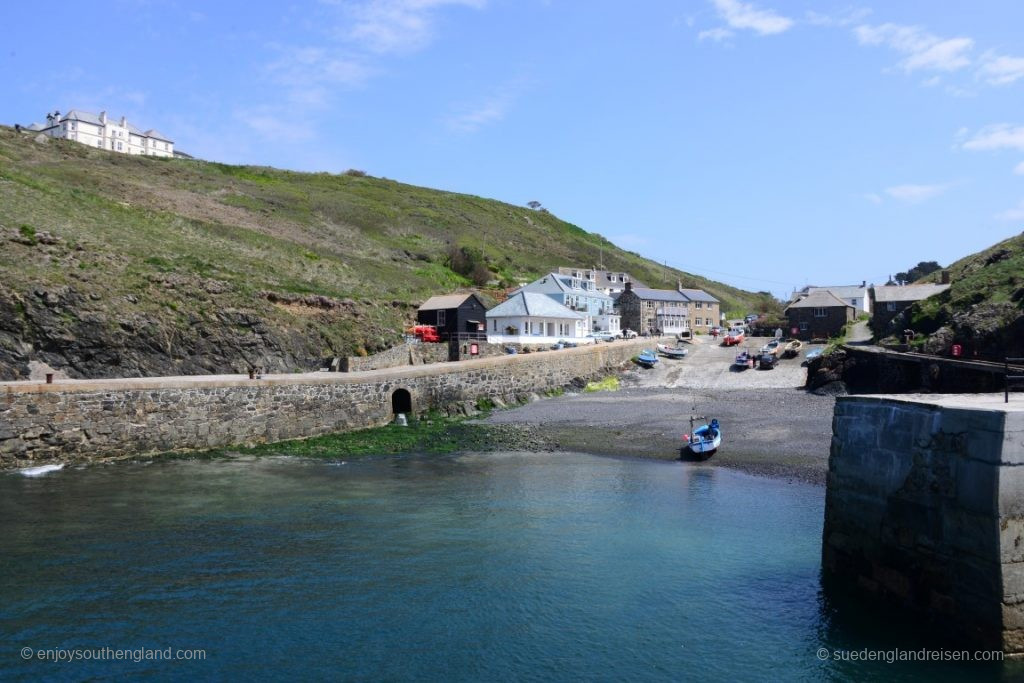
Mullion Cove, a tiny fishing harbour
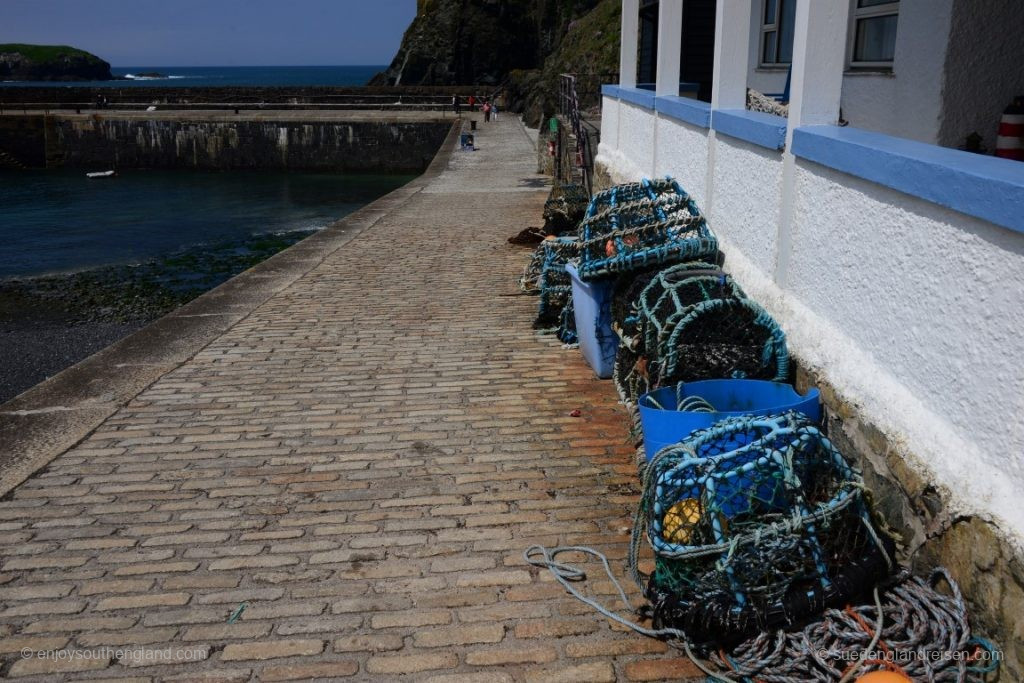
But still in operation!
For a change of scenery, we spend a day in St Ives, which is also home to a branch of the Tate. Artists, and painters in particular, have long been drawn to this part of Cornwall’s Atlantic coast because of its wonderful light. We were incredibly lucky to experience that light for ourselves!
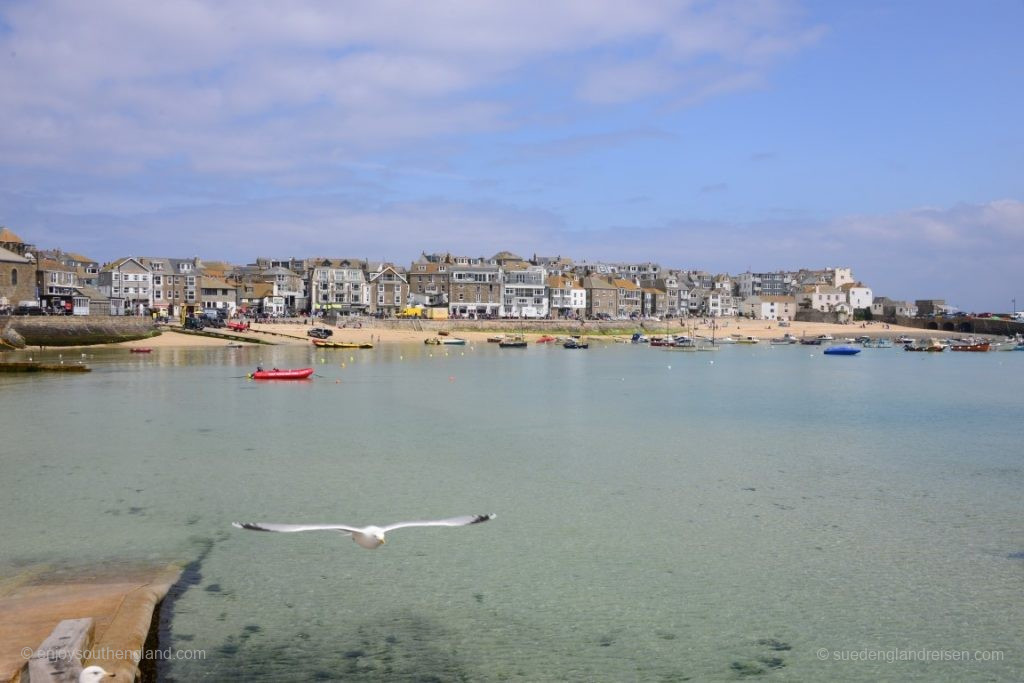
St Ives – a place of artists and painters
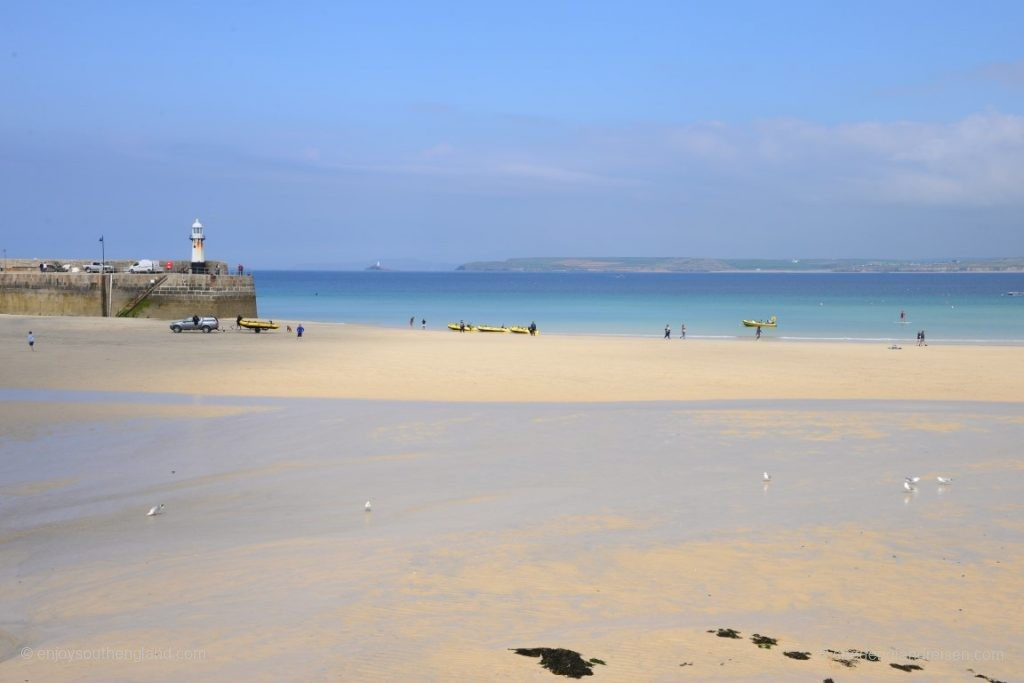
On the beach at St Ives
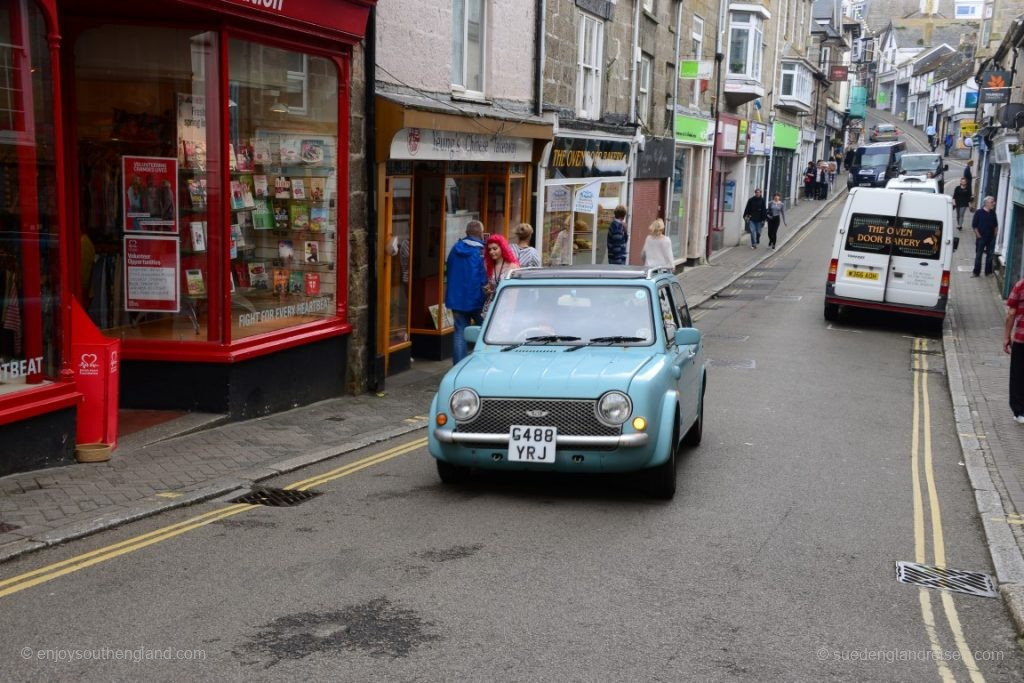
Town atmosphere – with wonderful old shops and cars
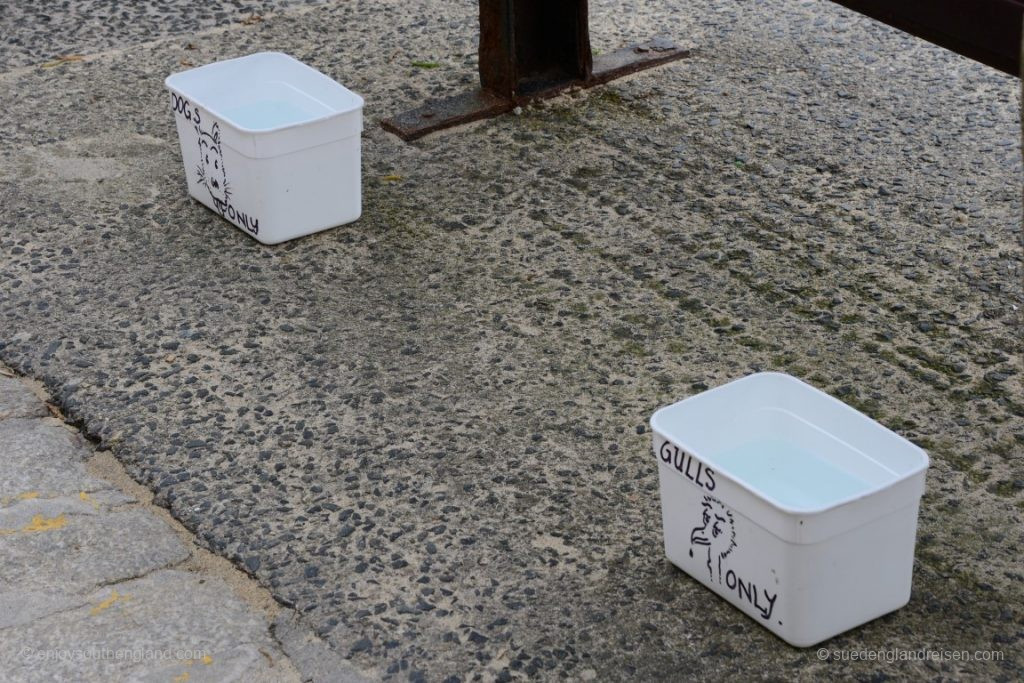
Back at the beach – they are extremely animal-friendly and wonderfully orderly: water for dogs and gulls (seagulls), of course kept separate
We also head out to Seal Island to see the seals and, on the way back, dolphins:
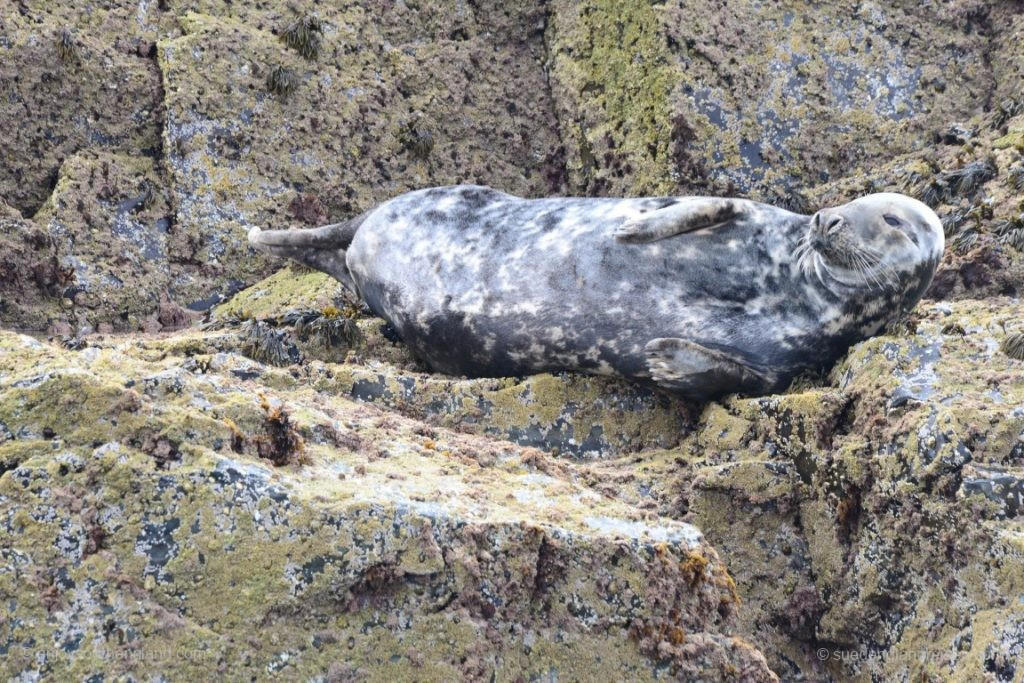
A deeply relaxed seal on Seal Island
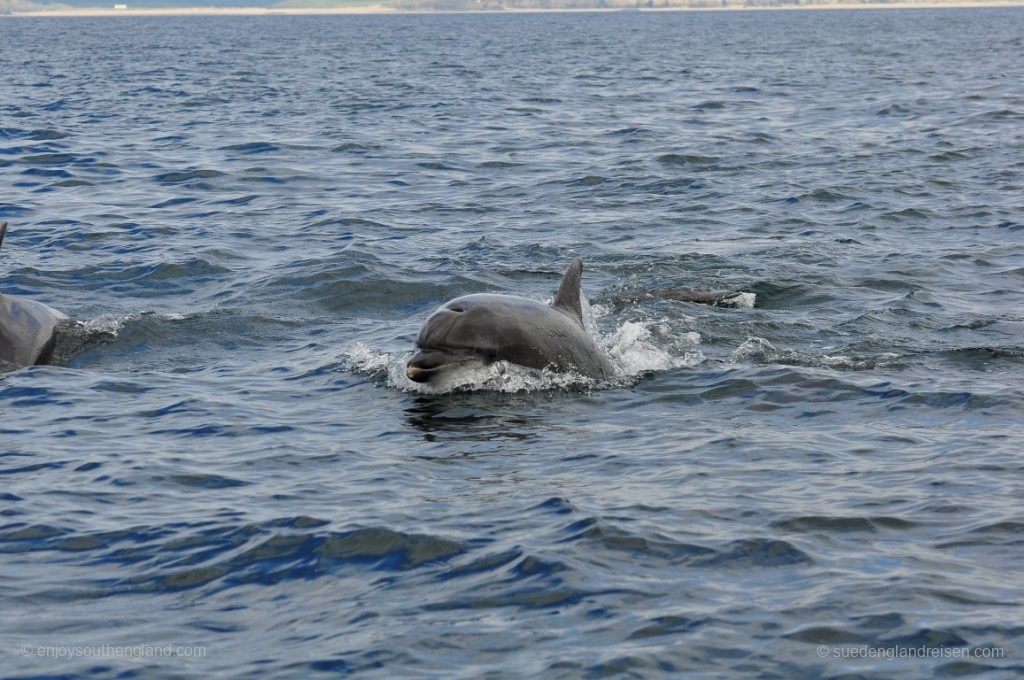
Dolphins on the way back
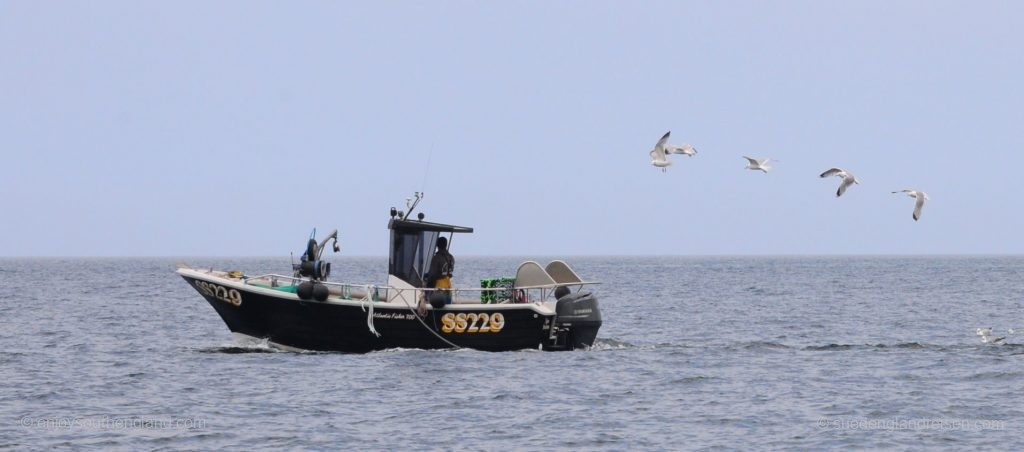
Seeromantik
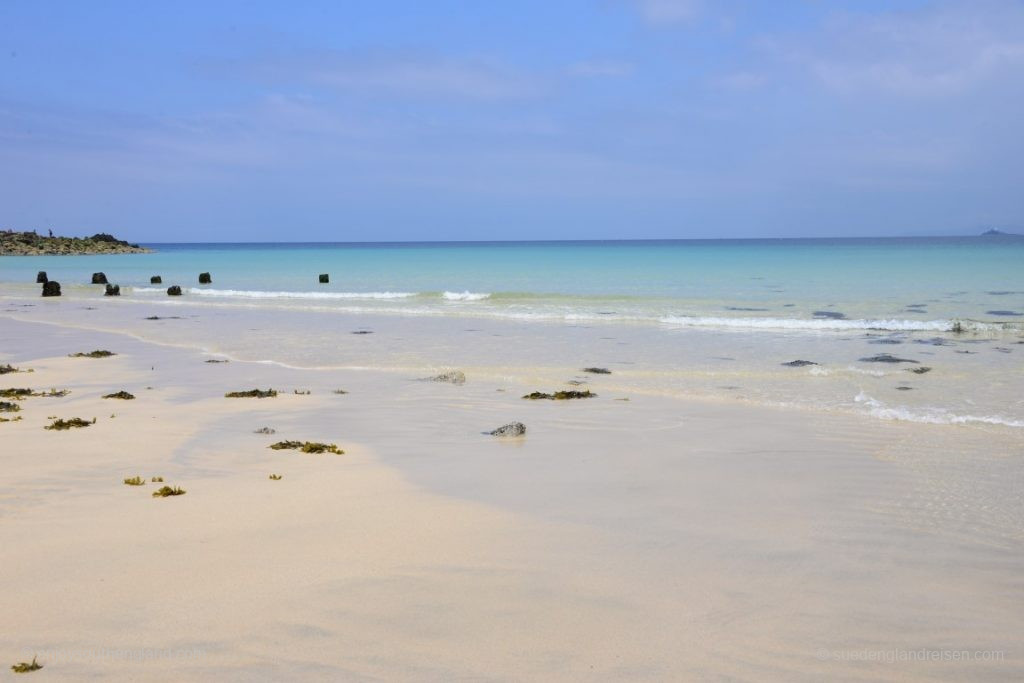
and because it looks like the South Seas here, one more look at this wonderful panorama
But the Channel coast has its own delightful villages. We make a detour to Cadgwith:
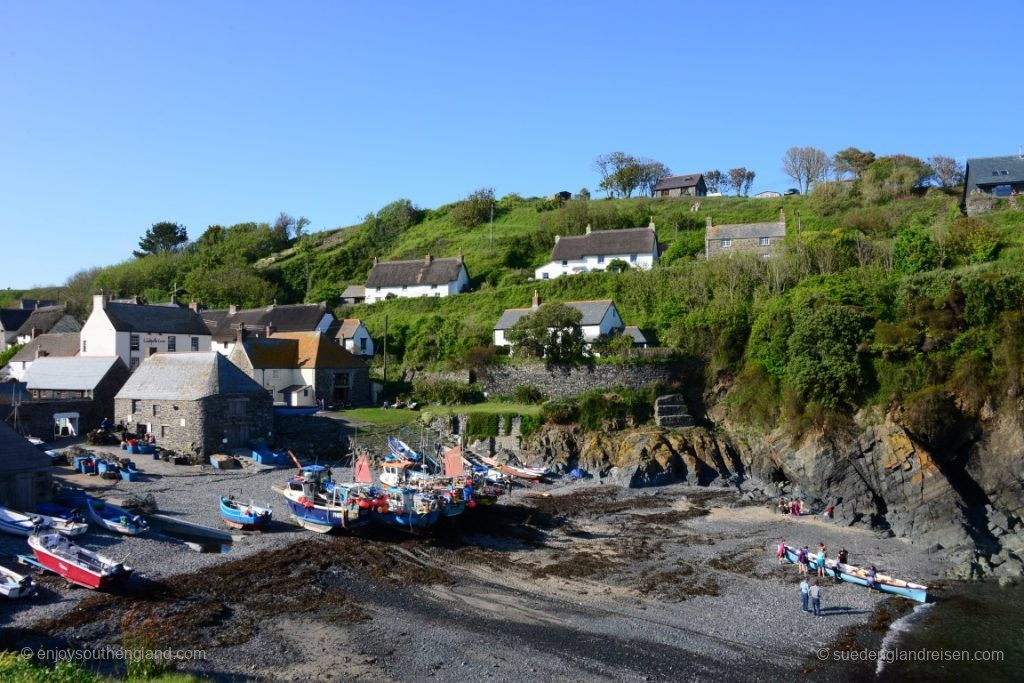
The fishing village of Cadgwith
One thing really stands out: you can arrive in the smallest and most remote villages, and the locals always greet you warmly and with a smile. Not once did we feel like intruders; quite the opposite, we always felt genuinely welcome. A little chat – often about the weather and how lovely it is – is naturally part of the experience. In this country, you really are a guest!
But as lovely as it was, it was time to head east again. Speaking of being on the road: have we mentioned the narrow roads here? As soon as you leave the main roads, you find yourself on tiny lanes where there is barely enough room for your own car – and, naturally, there may be oncoming traffic! Sometimes you have to reverse all the way back to the last passing place and somehow squeeze past each other. Quite honestly: this is where you learn to drive! Or, as someone who was here for the first time put it: he had paid for all his sins on a single road.
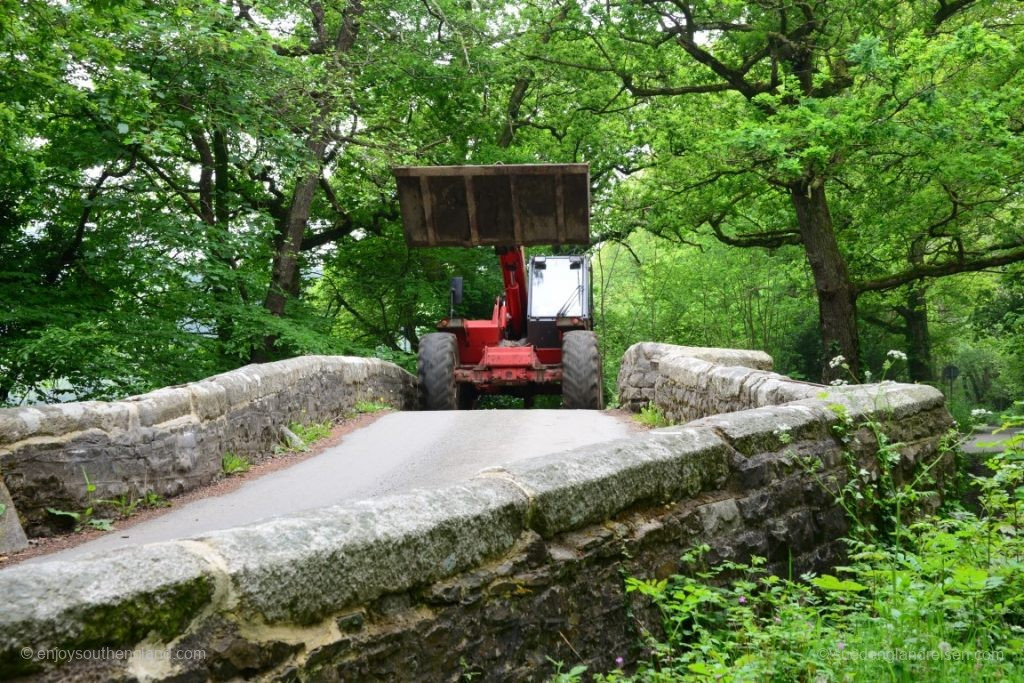
The oncoming vehicle is not always quite this large: oncoming traffic on an ordinary road bridge in Cornwall
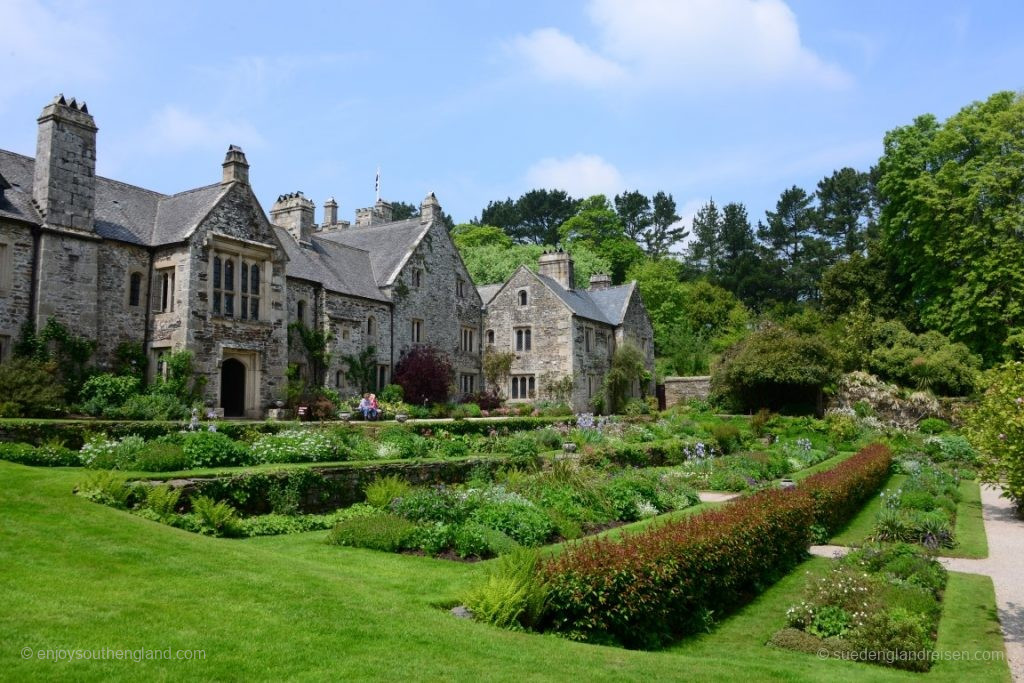
Our last stop in Cornwall: Cotehele House and Gardens
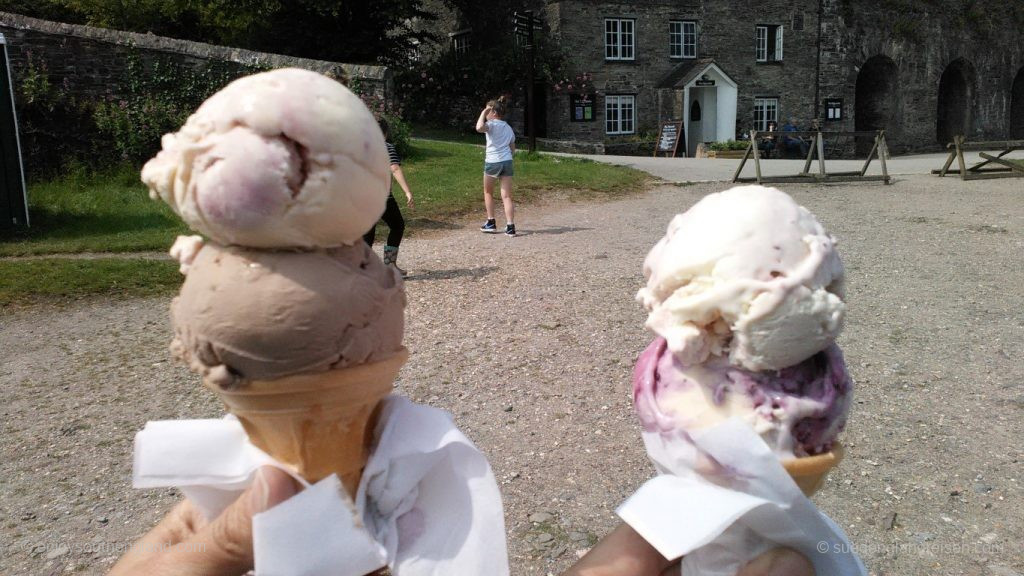
In this weather, you need to cool down occasionally! By the way, ice cream here comes from farms, not from the Italian ice-cream parlour.
We then spent one more night in Devon, near Dartmouth, a very charming harbour town:
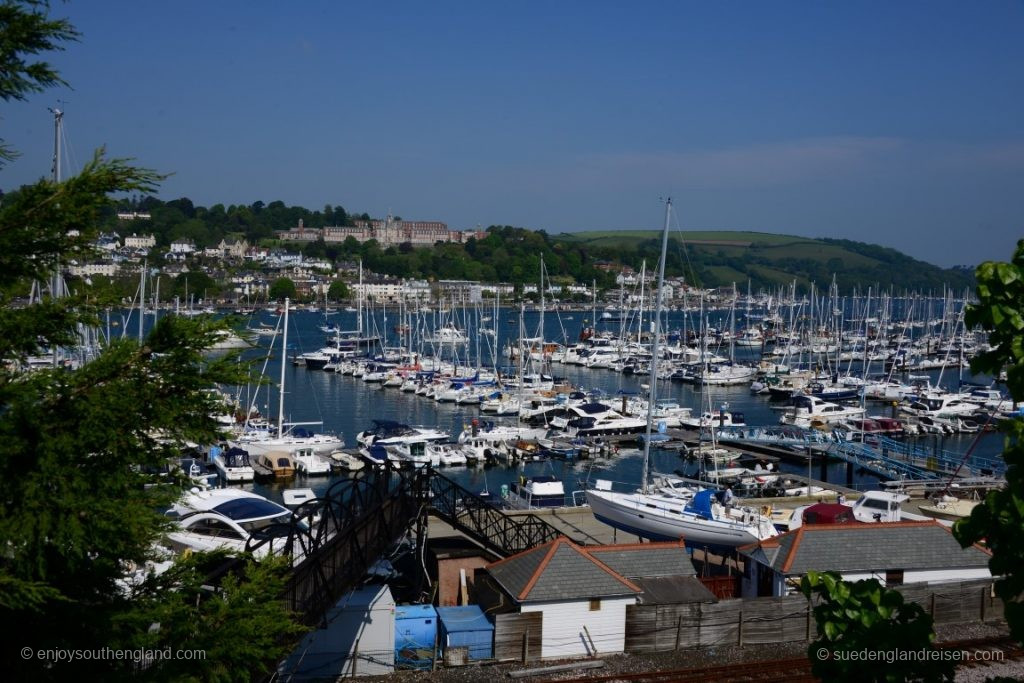
Dartmouth – the Naval College above the town, where Prince Harry received his military training
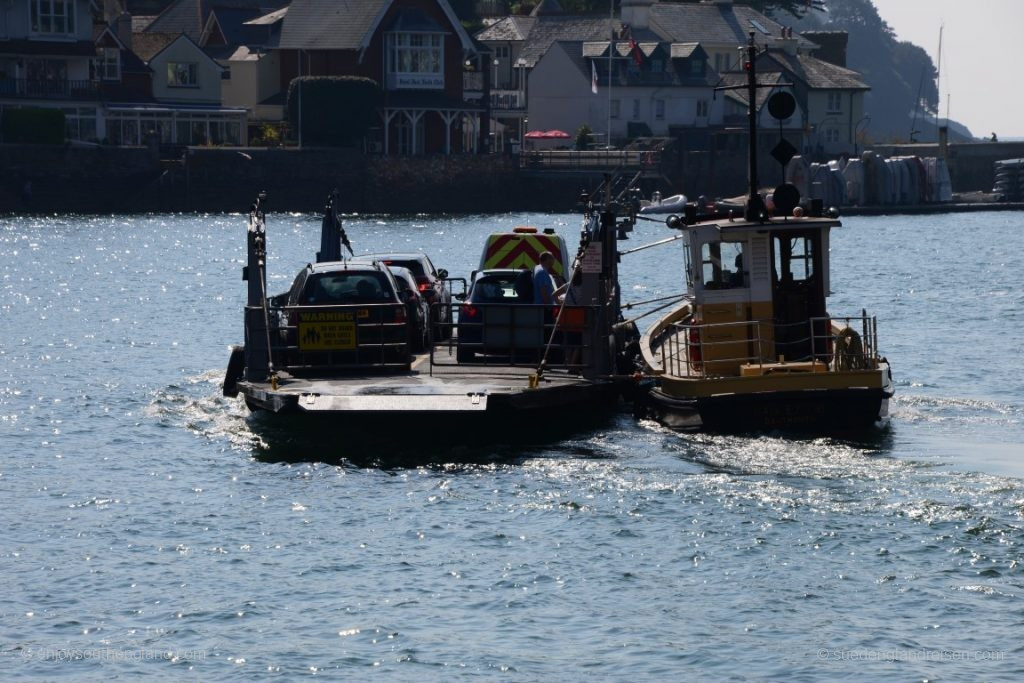
The “Lower Ferry”, a wonderfully rustic car ferry from Dartmouth to Kingswear
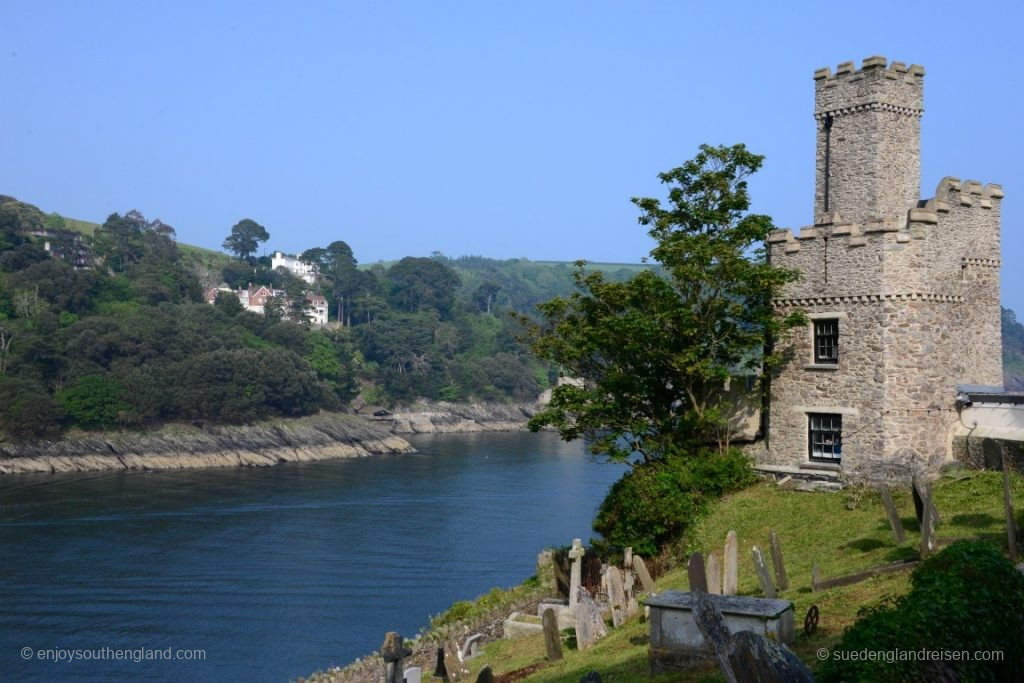
Dartmouth Castle
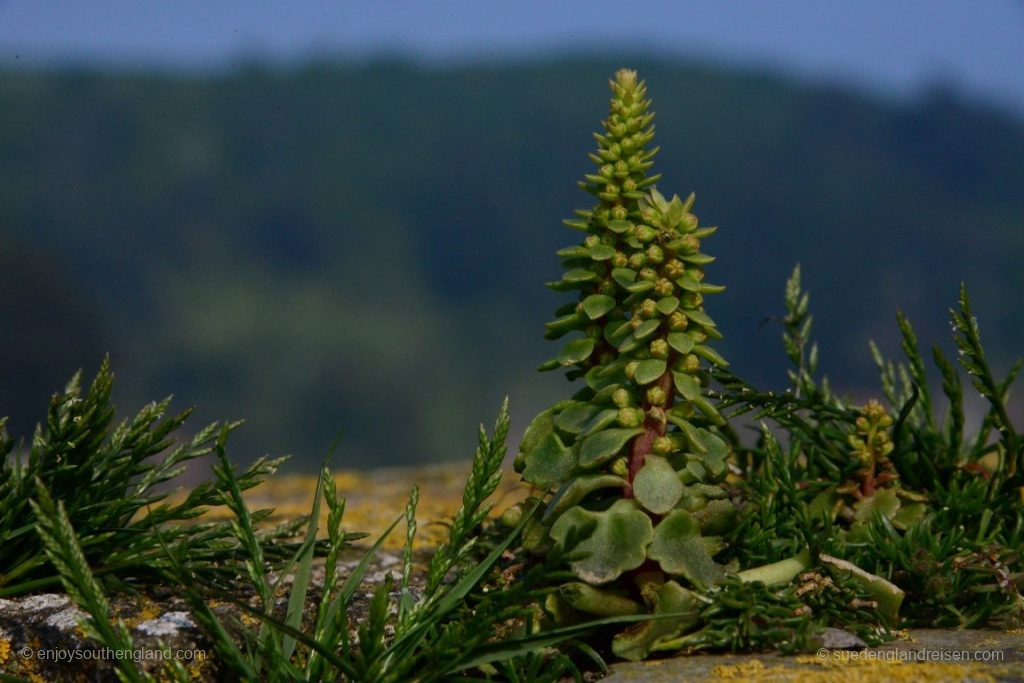
Mystery picture: what is it?
Answer: just a tiny plant growing on the walls of Dartmouth Castle.
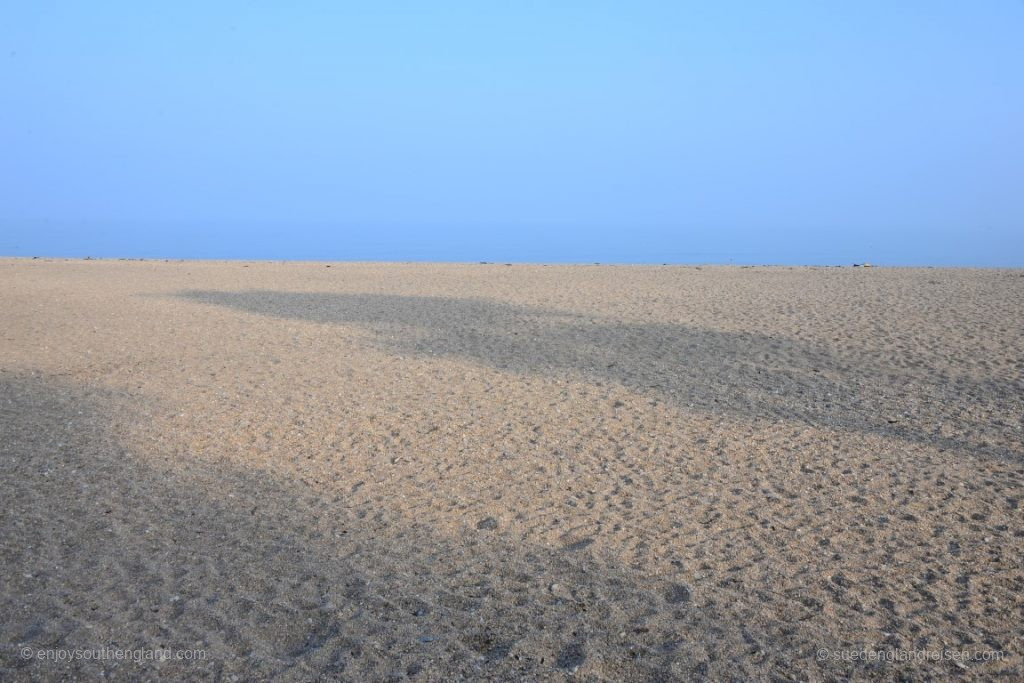
Evening at the beach near Dartmouth (Blackpool Sands)
On our way back to London, we leave Devon and reach Dorset and the Jurassic Coast near Abbotsbury:
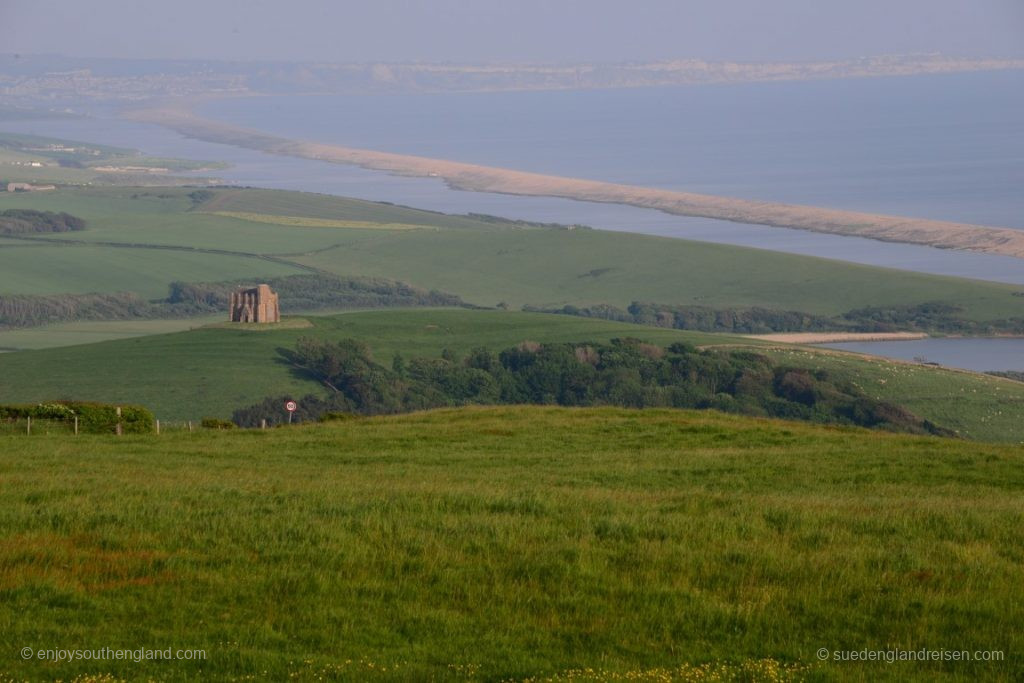
View of Chesil Beach on the Jurassic Coast from the small hill of St Catherine near Abbotsbury
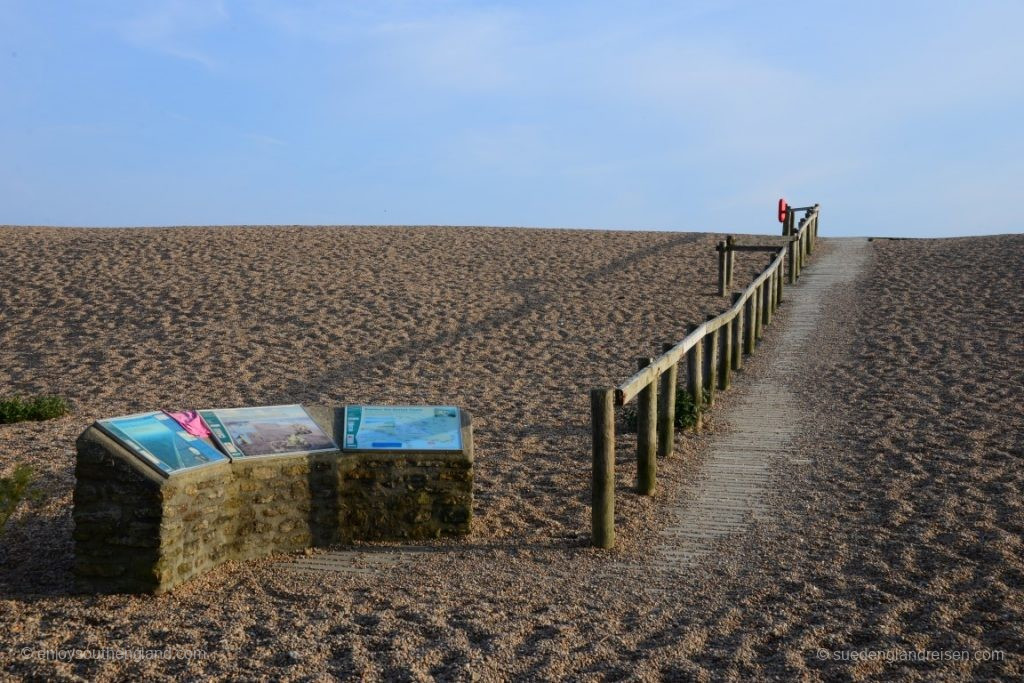
Of course, an evening walk along the beach is a must
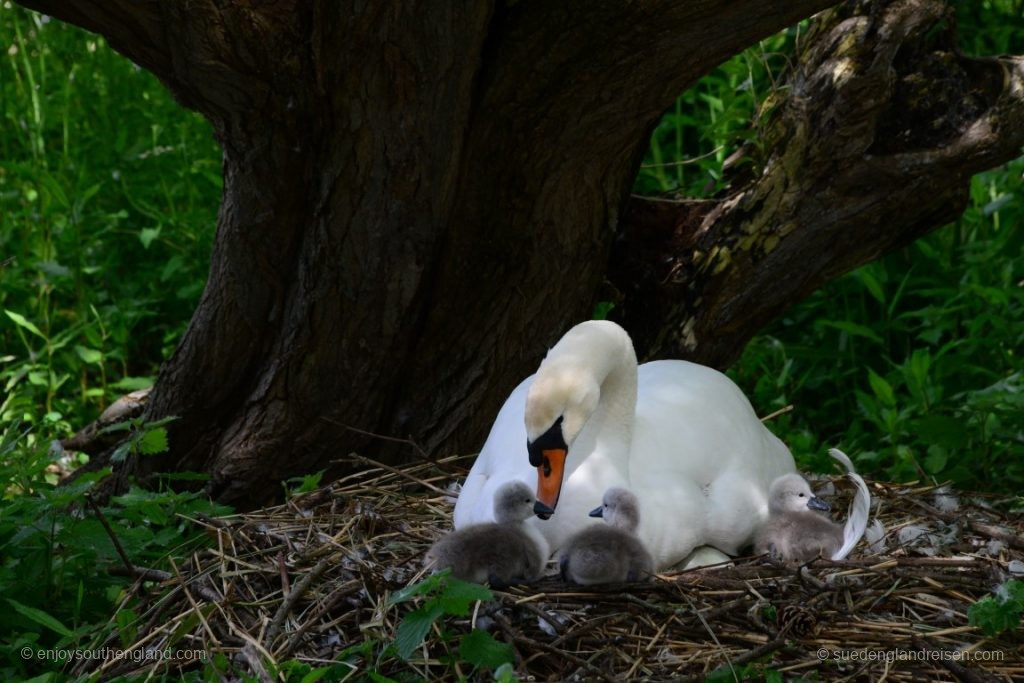
Abbotsbury is home not only to the beautiful Subtropical Garden, but also to the famous Swannery – a sanctuary for swans that breed and raise their young here without any apparent concern about the many visitors. And some of the cygnets had only just hatched. The hardest part of the visit was afterwards sorting through and whittling down the literally more than a thousand photos! But see for yourself:
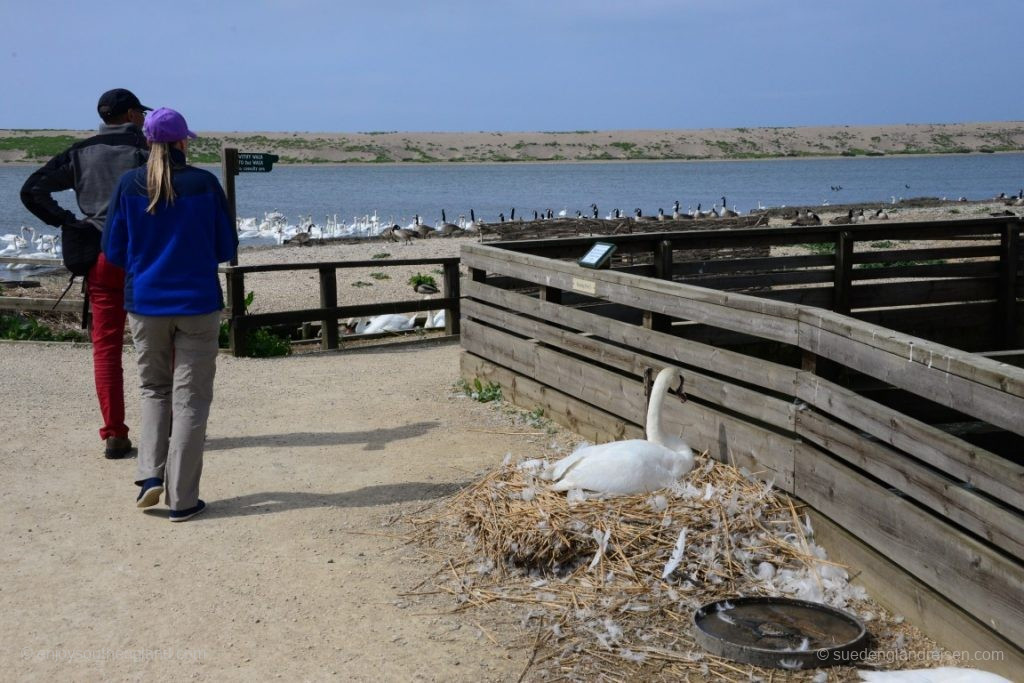
The swans breed without the slightest concern about the many visitors
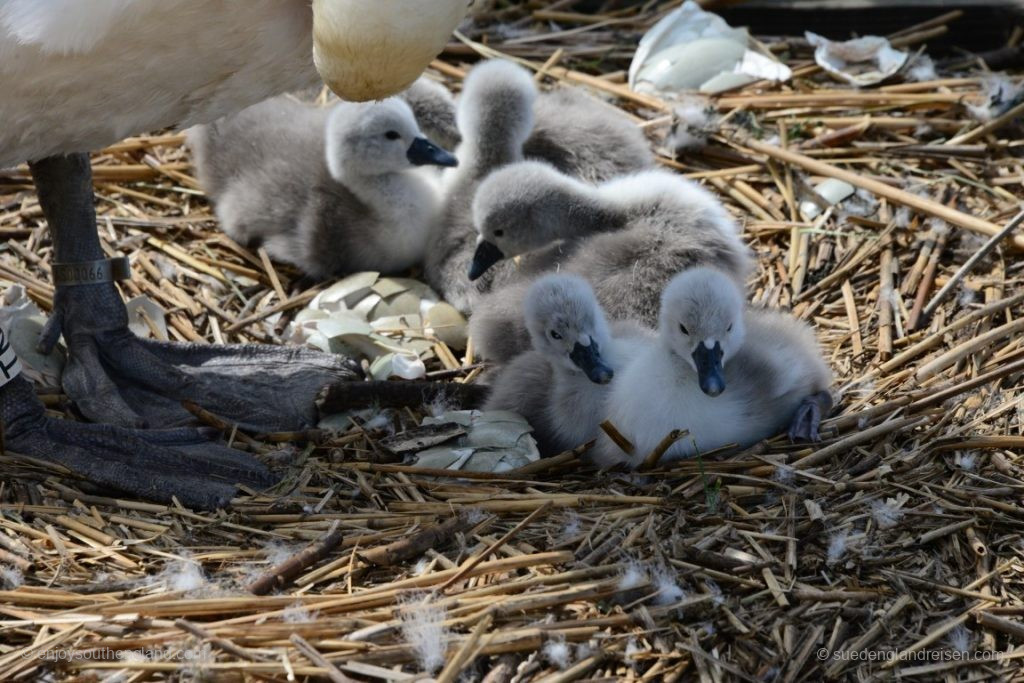
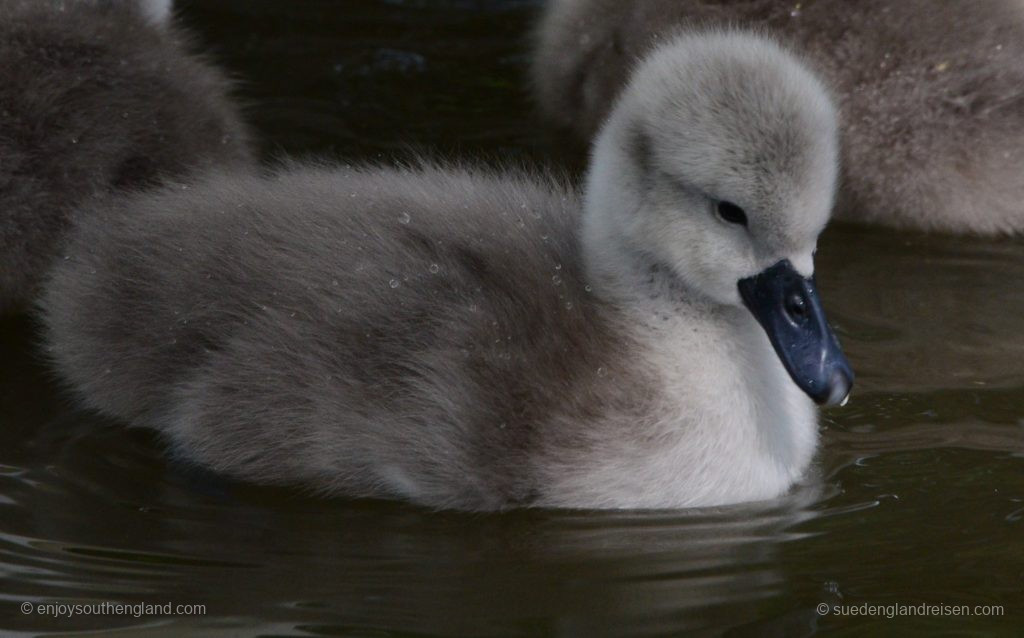
And some of the baby swans have only just hatched!
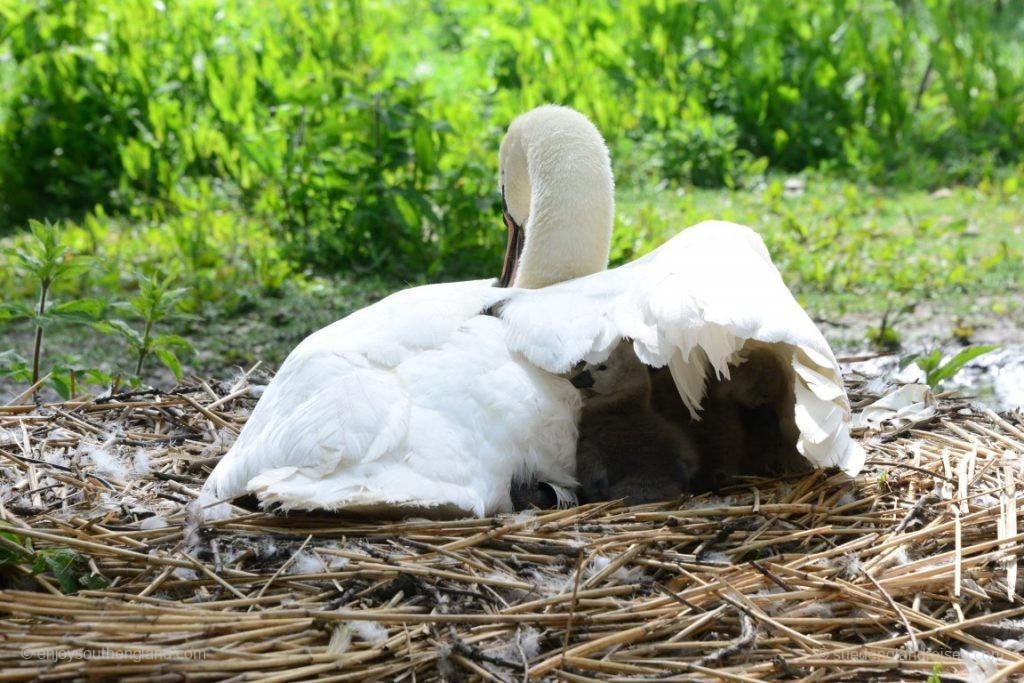
Some are still hiding shyly in their mother’s feathers
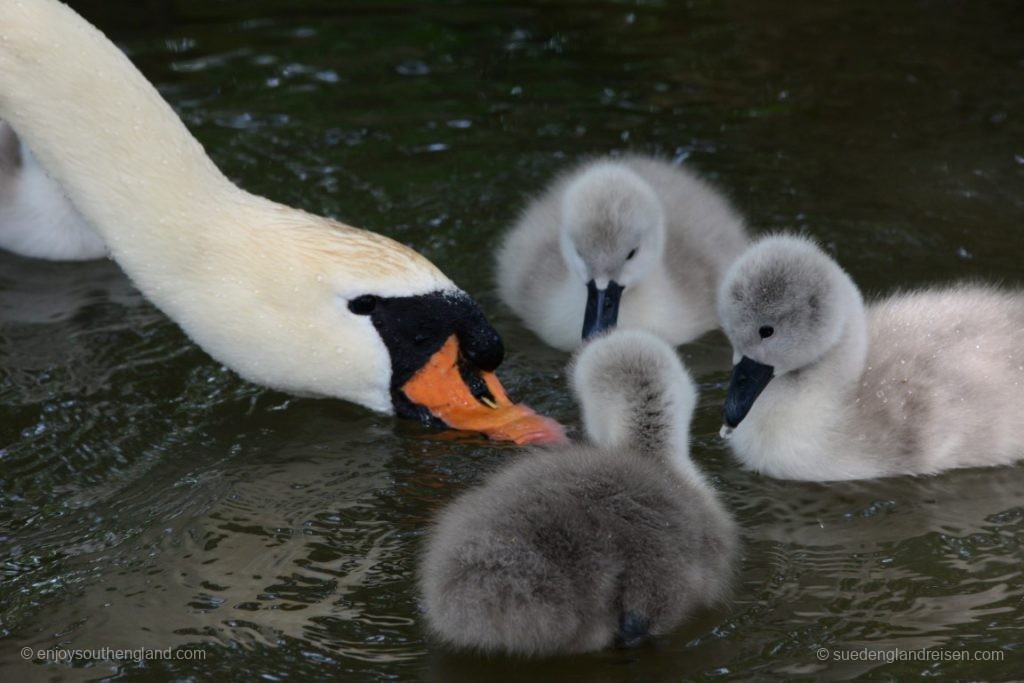
others are already off to school
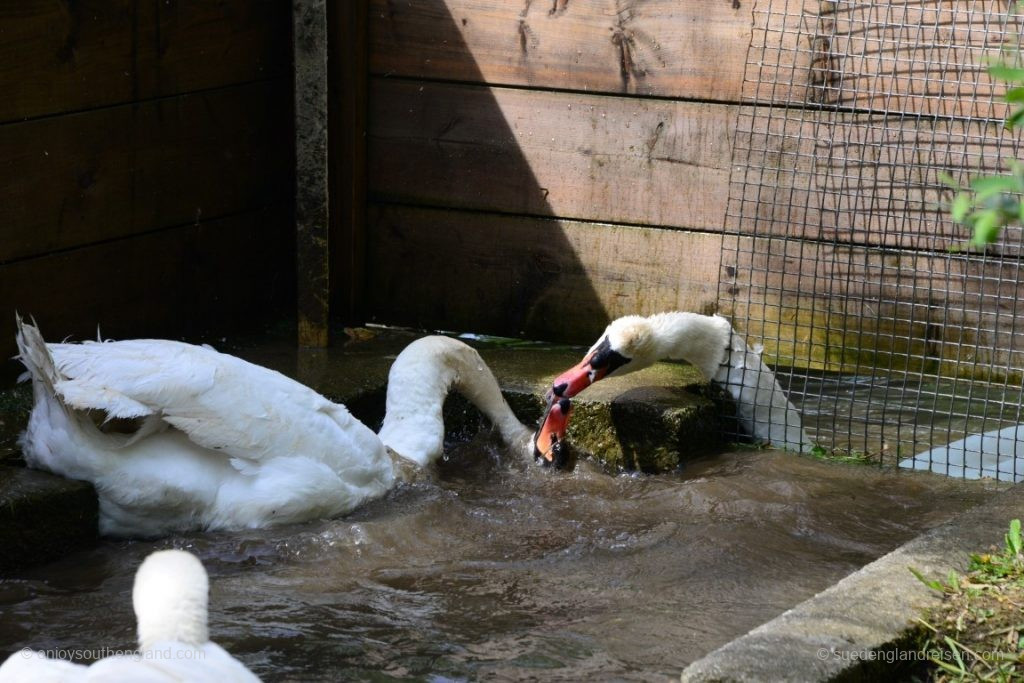
Apropos Schule: Hier streiten sich zwei Erziehungsberechtigte beim Elterntag!
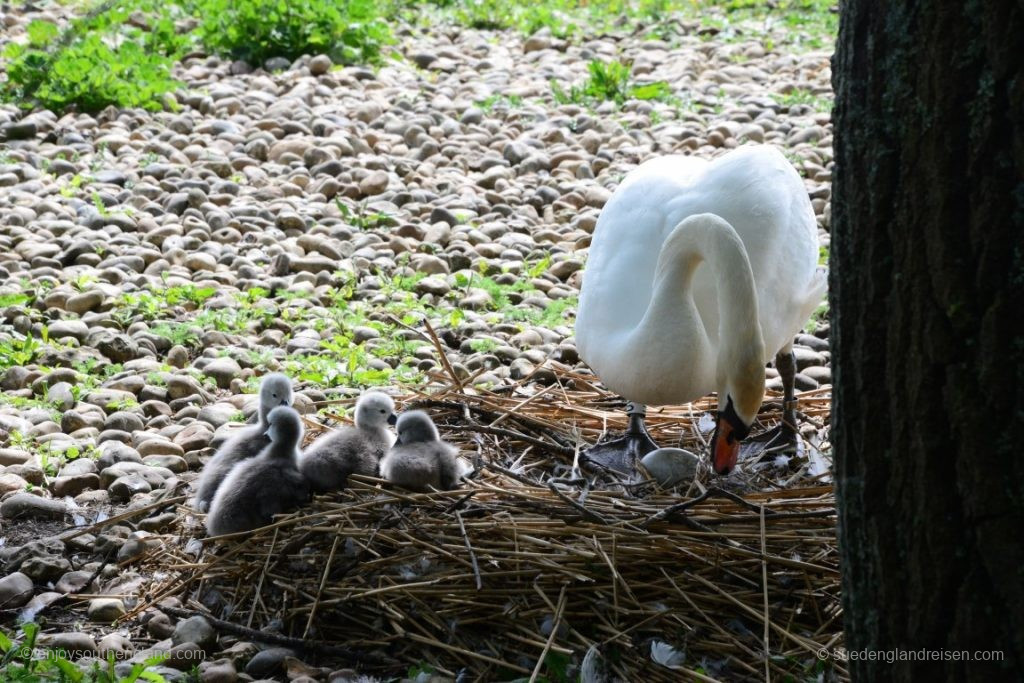
Very keen to brood, this lady!
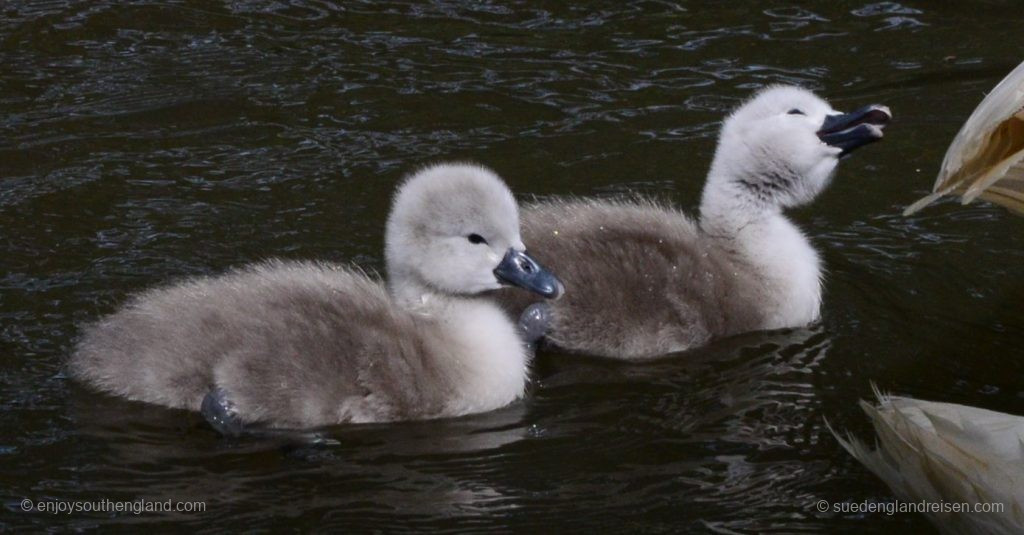
Aren’t they adorable?
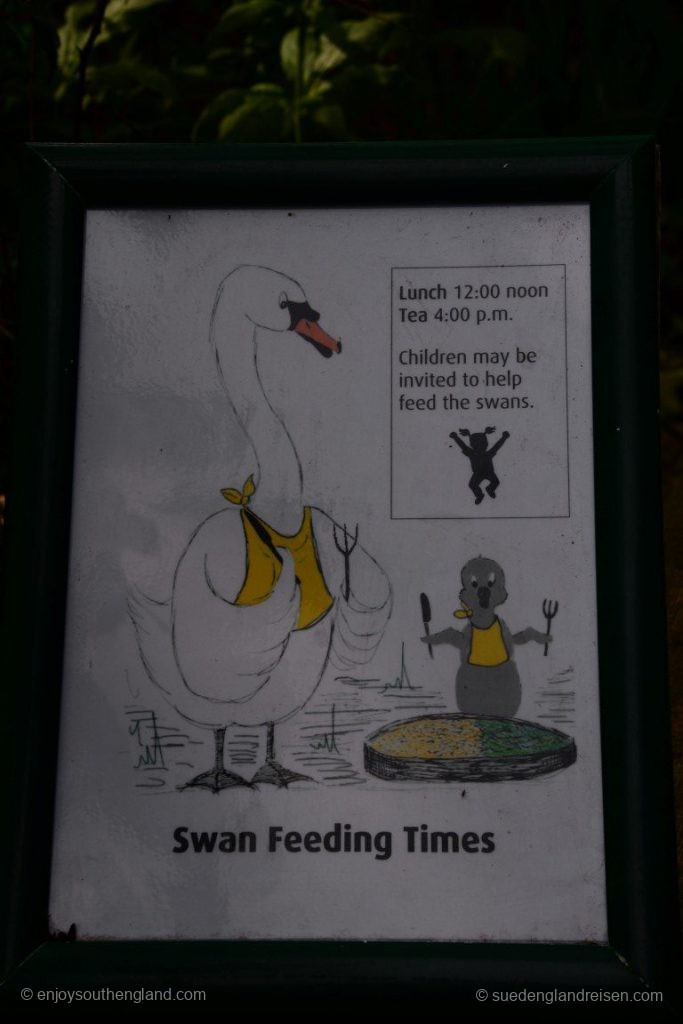
Oh yes: they are fed twice a day
We continue through the countryside – most of the small villages are simply picturesque and quietly charming:
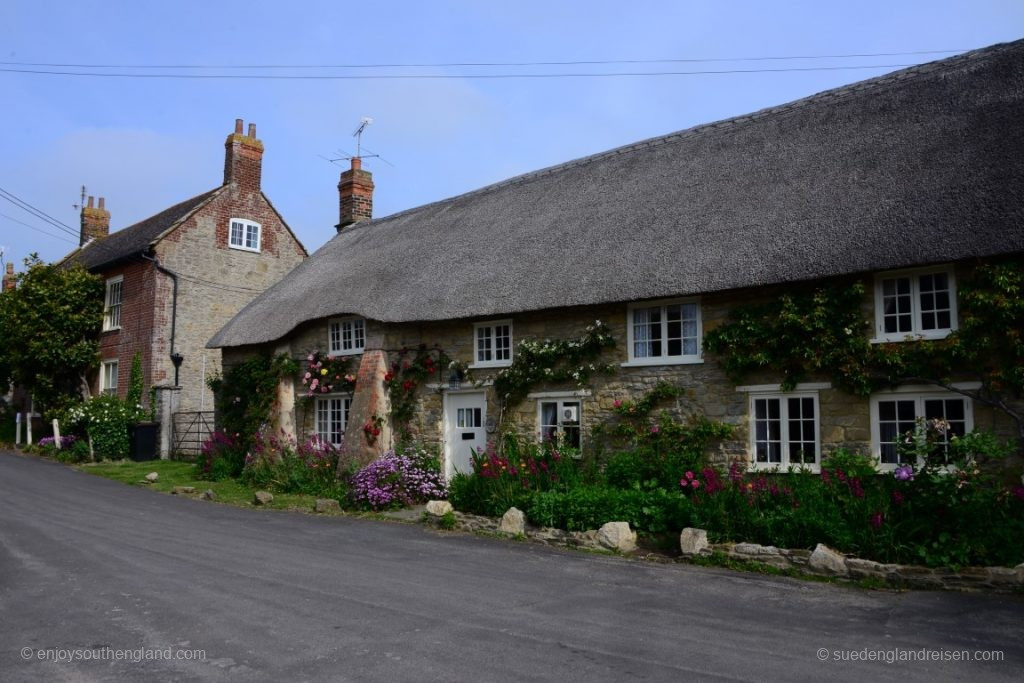
Houses in Burton Bradstock – the two trees by the house at the back are magnolias, by the way (and the new owner wants to have them cut down)
In Hampshire, we make one last stop in the New Forest at one of our favourite gardens, Furzey Garden:
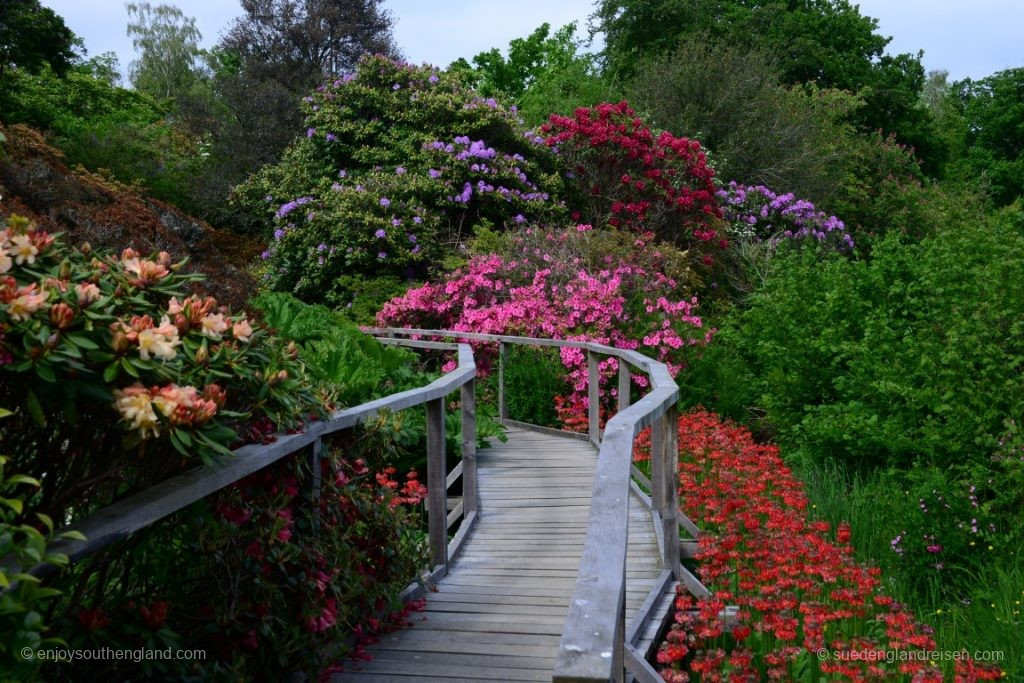
A profusion of flowers in Furzey Garden
From here, it is less than an hour and a half to London Heathrow Airport in normal traffic – a wonderful end to ten wonderful days in the west of Southern England.
Travel tip:
If you would like to follow this itinerary, either as it stands or with a few changes of your own, we recommend using our Road Trip 5 – Cornwall as a starting point for your route planning.

We have personally visited all the places, sights and gardens featured in our itineraries and have written about them in detail on this website. We hope that, after exploring Southern England for yourself, you will be just as captivated by this beautiful part of England as we are!